Mars
Ages 7–10 · 5 minutes · Science
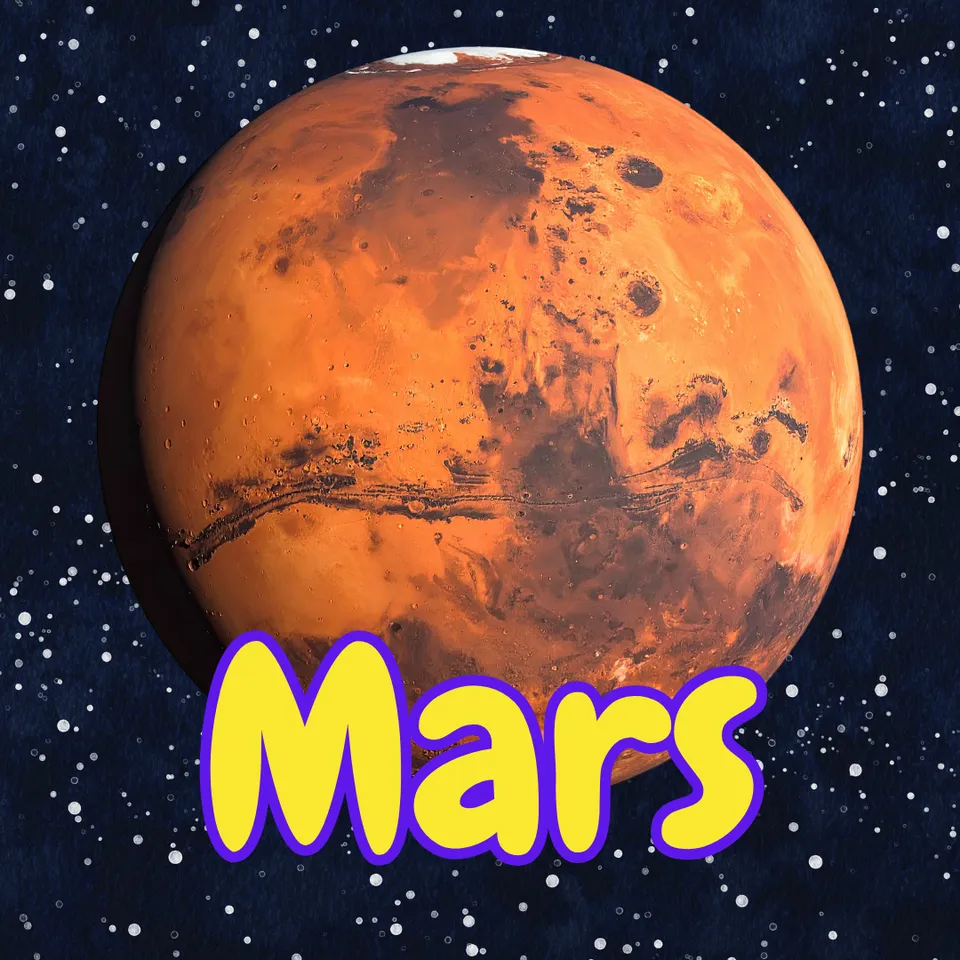
Continue exploring the solar system with Mars, the red planet!
Students will learn all about Mars, including:
- the history of humankind's exploration of Mars using telescopes and probes
- why Mars is called "the red planet"
- how Mars' two moons differ from Earth's moon
- why they could get just a little more done with Mars' longer day
Part of
Standards alignment
Common Core State Standards
- The solar system consists of the sun and a collection of objects, including planets, their moons, and asteroids that are held in orbit around the sun by its gravitational pull on them.
- MS-ESS1-3 — Analyze and interpret data to determine scale properties of objects in the solar system.
Alabama
- SC23.6.4 — Analyze and use data to determine scale properties and characteristics of objects in the solar system including sizes, distances, orbital periods, basic composition, and ability to support life.
- SC23.6.2 — Evaluate information to compare and contrast past and current views about the structure of the universe and show how these views have changed over time.
Alaska
- The solar system consists of the sun and a collection of objects, including planets, their moons, and asteroids that are held in orbit around the sun by its gravitational pull on them.
- MS-ESS1-3 — Analyze and interpret data to determine scale properties of objects in the solar system.
Arizona
- E2 — The Earth and our solar system are a very small part of one of many galaxies within the Universe.
California
- The solar system consists of the sun and a collection of objects, including planets, their moons, and asteroids that are held in orbit around the sun by its gravitational pull on them.
- MS-ESS1-3 — Analyze and interpret data to determine scale properties of objects in the solar system.
Colorado
- SC.MS.3.2.b — Analyze and interpret data to determine scale properties of objects in the solar system.
- ESS1.A — The Universe and its Stars: Patterns of the motion of the sun, moon and stars in the sky can be observed, described and predicted. At night one can see the light coming from many stars with the naked eye, but telescopes make it possible to see many more and to observe them and the moon and planets in greater detail.
- SC.MS.3.2 — The solar system contains many varied objects held together by gravity. Solar system models explain and predict eclipses, lunar phases, and seasons.
Connecticut
- Obtain and combine information from books and other reliable media to explain phenomena.
- The solar system consists of the sun and a collection of objects, including planets, their moons, and asteroids that are held in orbit around the sun by its gravitational pull on them.
Delaware
- The solar system consists of the sun and a collection of objects, including planets, their moons, and asteroids that are held in orbit around the sun by its gravitational pull on them.
- MS-ESS1-3 — Analyze and interpret data to determine scale properties of objects in the solar system.
Florida
- SC.4.E.6.5 — Investigate how technology and tools help to extend the ability of humans to observe very small things and very large things.
- SC.5.E.5.3 — Distinguish among the following objects of the Solar System -- Sun, planets, moons, asteroids, comets -- and identify Earth's position in it.
Georgia
- S4E1.a — Ask questions to compare and contrast technological advances that have changed the amount and type of information on distant objects in the sky.
Hawaii
- The solar system consists of the sun and a collection of objects, including planets, their moons, and asteroids that are held in orbit around the sun by its gravitational pull on them.
- MS-ESS1-3 — Analyze and interpret data to determine scale properties of objects in the solar system.
Idaho
- The solar system consists of the Sun and a collection of objects, including planets, their moons, and asteroids that are held in orbit around the Sun by its gravitational pull on them. (MS-ESS-1.2, MS-ESS-1.3)
Illinois
- ESS1.B-M1 — The solar system consists of the sun and a collection of objects, including planets, their moons, and asteroids that are held in orbit around the sun by its gravitational pull on them.
- MS-ESS1-3 — Analyze and interpret data to determine scale properties of objects in the solar system.
Indiana
- 6.ESS.3 — Compare and contrast the Earth, its moon, and other planets in the solar system, including comets and asteroids. (Comparisons should be made in regard to size, surface features, atmospheric characteristics, and the ability to support life.)
- 5.ESS.1 — Analyze the scale of our solar system and its components: our solar system includes the sun, moon, seven other planets and their moons, and many other objects like asteroids and comets.
Iowa
- The solar system consists of the sun and a collection of objects, including planets, their moons, and asteroids that are held in orbit around the sun by its gravitational pull on them.
- MS-ESS1-3 — Analyze and interpret data to determine scale properties of objects in the solar system.
Kansas
- Obtain and combine information from books and other reliable media to explain phenomena.
- The solar system consists of the sun and a collection of objects, including planets, their moons, and asteroids that are held in orbit around the sun by its gravitational pull on them.
Kentucky
- The solar system consists of the sun and a collection of objects, including planets, their moons, and asteroids that are held in orbit around the sun by its gravitational pull on them.
- 6-ESS1-3 — Analyze and interpret data to determine scale properties of objects in the solar system.
Louisiana
- Obtain and combine information from books and other reliable media to explain phenomena.
- MS-ESS1-3 — Analyze and interpret data to determine scale properties of objects in the solar system.
Maine
- Obtain and combine information from books and other reliable media to explain phenomena.
- MS-ESS1-3 — Analyze and interpret data to determine scale properties of objects in the solar system.
Maryland
- DCI.ESS1.B.6-8.1 — The solar system consists of the sun and a collection of objects, including planets, their moons, and asteroids that are held in orbit around the sun by its gravitational pull on them.
- MS-ESS1-3 — Analyze and interpret data to determine scale properties of objects in the solar system.
Minnesota
- 6E.2.1.1.1 — Analyze and interpret data to determine similarities and differences among features and processes occurring on solar system objects. (P: 4, CC: 3, CI: ESS1)
Mississippi
- E.2.8.3 — Observe and compare the details in images of the moon and planets using the perspective of the naked eye, telescopes, and data from space exploration.
- E.2.8.4 — With teacher support, gain an understanding that scientists are humans who use observations and experiments to learn about space. Obtain information from informational text or other media about scientists who have made important discoveries about objects in space (e.g., Galileo Galilei, Johannes Kepler, George Ellery Hale, Jill Tarter) or the development of technologies (e.g., various telescopes and detection devices, computer modeling, and space exploration).
Missouri
- The solar system consists of the sun and a collection of objects, including planets, their moons, and asteroids that are held in orbit around the sun by its gravitational pull on them.
- 6-8.ESS1.B.1 — Analyze and interpret data to determine scale properties of objects in the solar system.
Nebraska
- SC.5.11.3 — Gather and analyze data to communicate understanding of space systems: Earth’s stars and solar system.
- The solar system consists of the sun and a collection of objects, including planets, their moons, and asteroids that are held in orbit around the sun by its gravitational pull on them.
Nevada
- Obtain and combine information from books and other reliable media to explain phenomena.
- The solar system consists of the sun and a collection of objects, including planets, their moons, and asteroids that are held in orbit around the sun by its gravitational pull on them.
New Hampshire
- The solar system consists of the sun and a collection of objects, including planets, their moons, and asteroids that are held in orbit around the sun by its gravitational pull on them.
- MS-ESS1-3 — Analyze and interpret data to determine scale properties of objects in the solar system.
New Jersey
- The solar system consists of the sun and a collection of objects, including planets, their moons, and asteroids that are held in orbit around the sun by its gravitational pull on them.
- MS-ESS1-3 — Analyze and interpret data to determine scale properties of objects in the solar system.
New Mexico
- Obtain and combine information from books and other reliable media to explain phenomena.
- The solar system consists of the sun and a collection of objects, including planets, their moons, and asteroids that are held in orbit around the sun by its gravitational pull on them.
New York
- The solar system consists of the sun and a collection of objects, including planets, their moons, and asteroids that are held in orbit around the sun by its gravitational pull on them.
- MS-ESS1-3 — Analyze and interpret data to determine scale properties of objects in the solar system.
North Carolina
- ESS.3.1.1 — Use models to recognize that the Earth is part of a system called the solar system that includes the sun (a star), planets, and many moons, and that the Earth is the third planet from the sun.
- ESS.3.1 — Remember the major components and patterns observed in the earth/moon/sun system.
North Dakota
- The solar system consists of the sun and a collection of objects, including planets, their moons, and asteroids that are held in orbit around the sun by its gravitational pull on them.
Ohio
- 5.ESS.1 — The solar system includes the sun and all celestial bodies that orbit the sun. Each planet in the solar system has unique characteristics.
Oklahoma
- The solar system consists of the sun and a collection of objects, including planets, their moons, and asteroids that are held in orbit around the sun by its gravitational pull on them. (8.ESS1.2, 8.ESS1.3)
Pennsylvania
- The solar system consists of the sun and a collection of objects, including planets, their moons, and asteroids that are held in orbit around the sun by its gravitational pull on them.
Rhode Island
- The solar system consists of the sun and a collection of objects, including planets, their moons, and asteroids that are held in orbit around the sun by its gravitational pull on them.
- Obtain and combine information from books and other reliable media to explain phenomena.
South Carolina
- 6-ESS2-3.DCI.ETS2.A: — Interdependence of Science, Engineering, and Technology Technologies extend the measurement, exploration, modeling, and computational capacity of scientific investigations. NRC Framework Link
South Dakota
- Obtain and combine information from books and other reliable media to explain phenomena.
Tennessee
- 1.ESS1.2 — Observe natural objects in the sky that can be seen from Earth with the naked eye and recognize that a telescope, used as a tool, can provide greater detail of objects in the sky.
- 5.ESS1.3 — Use data to categorize different bodies in our solar system including moons, asteroids, comets, and meteoroids according to their physical properties and motion.
Texas
- 6.11A — describe the physical properties, locations, and movements of the Sun, planets, moons, meteors, asteroids, and comets;
- 6.11C — describe the history and future of space exploration, including the types of equipment and transportation needed for space travel.
- 3.9 — Earth and space. The student knows there are recognizable objects and patterns in Earth's solar system. The student is expected to:
Utah
- 6.1.3 — Use computational thinking to analyze data and determine the scale and properties of objects in the solar system. Examples of scale could include size or distance. Examples of properties could include layers, temperature, surface features, or orbital radius. Data sources could include Earth and space-based instruments such as telescopes or satellites. Types of data could include graphs, data tables, drawings, photographs, or models. (ESS1.A, ESS1.B)
Vermont
- The solar system consists of the sun and a collection of objects, including planets, their moons, and asteroids that are held in orbit around the sun by its gravitational pull on them.
Virginia
- 4.5.b — Planets have characteristics and a specific order in the solar system.
- 4.5.a — Planets rotate on their axes and revolve around the sun.
Washington
- Obtain and combine information from books and other reliable media to explain phenomena.
Washington, D.C.
- Obtain and combine information from books and other reliable media to explain phenomena.
Wisconsin
- Students recognize natural objects and observable phenomena exist from the very small to the immensely large. They use standard units to measure and describe physical quantities such as mass, time, temperature, and volume.
- SS.BH4 — Wisconsin students will examine the progression of specific forms of technology and their influence within various societies
Wyoming
- The solar system contains many varied objects held together by gravity. Solar system models explain and predict eclipses, lunar phases, and seasons.
- MS-ESS1-3 — Analyze and interpret data to determine scale properties of objects in the solar system.