Week 12 Trivia
Ages 5–9 · 4 minutes · Science, Geography
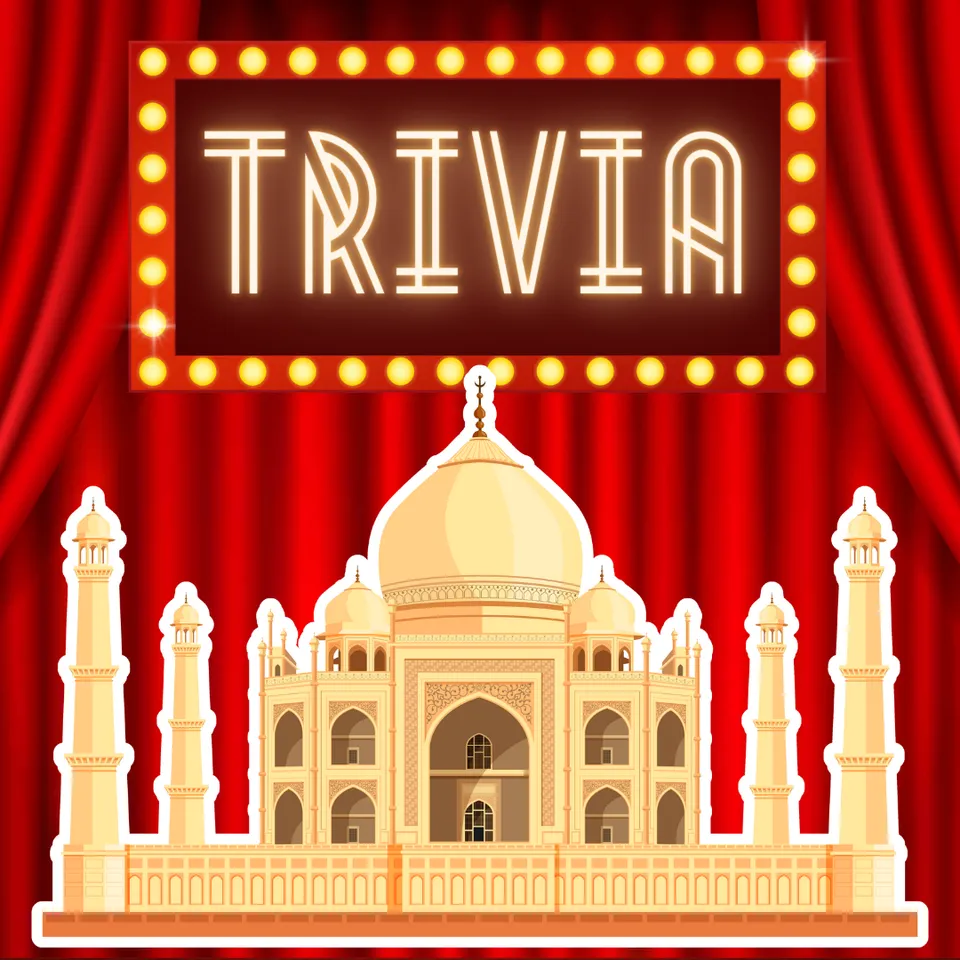
Where is this magnificent marble monument located? Grab a postcard and find out!
Where is this magnificent marble monument located? Grab a postcard and find out!
Check back each week for new questions, new facts to share, and new fun!
Part of
Standards alignment
Common Core State Standards
- SL.1.2 — Ask and answer questions about key details in a text read aloud or information presented orally or through other media.
- L.1.5.b — Define words by category and by one or more key attributes (e.g., a duck is a bird that swims; a tiger is a large cat with stripes).
Alabama
- SS10.2.2.4 — Describing the history of American symbols and monuments
- SS10.K.11 — Identify symbols, customs, famous individuals, and celebrations representative of our state and nation. (Alabama)
Alaska
- 5 — describe and demonstrate how places and regions serve as cultural symbols, such as the Statue of Liberty;
- SL.1.2 — Ask and answer questions about key details in a text read aloud or information presented orally or through other media.
- L.2.6 — Use words and phrases acquired through conversations, reading and being read to, and responding to texts, including using adjectives and adverbs to describe (e.g., When other kids are happy that makes me happy).
Arizona
- 1.H4.1 — Explain and explore origins of key American symbols, documents, landmarks, holidays, and leaders as well as their importance from the past to the present in our country. • Symbols include but are not limited to American flag, bald eagle, Statue of Liberty, White House, Washington Monument, Mount Rushmore, Liberty Bell, United States Capitol, and Arizona state symbols • Holidays include but are not limited to Columbus Day, Thanksgiving, Veterans Day, Memorial Day, Labor Day, Presidents Day, Martin Luther King Jr. Day, Independence Day, Constitution Day, and Arizona Statehood Day • Leaders include but are not limited to local and/or Tribal leaders, state leaders, and national leaders
- 1.SL.2 — Ask and answer questions about key details in a text read aloud or information presented orally or through other media.
- 2.G1.1 — Use and construct maps, graphs, and other geographic representations of familiar and unfamiliar places in the world; and locate physical and human features. • Key physical features include but are not limited to seven continents, oceans, lakes, rivers, mountain ranges, coasts, seas, and deserts • Key human features include but are not limited to equator, hemispheres, North and South Pole, cities, states, countries, regions, and landmarks
Arkansas
- 2.RC.4.RF — Build general and academic vocabulary and background knowledge of age and grade-appropriate topics through discussion, reading, and writing.
- H.1.2.5 — Explain state and national historical symbols and landmarks and the people and events associated with them.
- H.1.K.4 — Recognize historic figures and other people who have made an impact on history.
California
- 1.3.3 — Identify American symbols, landmarks, and essential documents, such as the flag, bald eagle, Statue of Liberty, U.S. Constitution, and Declaration of Independence, and know the people and events associated with them.
- SL.1.2 — Ask and answer questions about key details in a text read aloud or information presented orally or through other media.
- 3.4.3 — Know the histories of important local and national landmarks, symbols, and essential documents that create a sense of community among citizens and exemplify cherished ideals (e.g., the U.S. flag, the bald eagle, the Statue of Liberty, the U.S. Constitution, the Declaration of Independence, the U.S. Capitol).
Colorado
- RWC20-GR.1-S.1-GLE.1-EO.b — Ask and answer questions about key details in a text read aloud or information presented orally or through other media.
- SS.1.4.2 — Identify and explain how the significance of notable people, places, holidays, and civic symbols reflect the origins and values of the government and its citizens.
- SS.1.2.1 — Use geographic terms and tools to describe places and spaces.
Connecticut
- SL.1.2 — Ask and answer questions about key details in a text read aloud or information presented orally or through other media.
- GEO 2.3 — Use geographic representations to identify cultural and environmental characteristics of place.
- GEO 2.6 — Identify cultural and environmental characteristics of a place/region.
Delaware
- L.2.6 — Use words and phrases acquired through conversations, reading and being read to, and responding to texts, including using adjectives and adverbs to describe (e.g., When other kids are happy that makes me happy).
- SL.1.2 — Ask and answer questions about key details in a text read aloud or information presented orally or through other media.
- SL.2.3 — Ask and answer questions about what a speaker says in order to clarify comprehension, gather additional information, or deepen understanding of a topic or issue.
Florida
- ELA.K.V.1.2 — Ask and answer questions about unfamiliar words in grade-level content.
- SS.3.G.2.5 — Identify natural and man-made landmarks in the United States, Canada, Mexico, and the Caribbean.
Georgia
- SSKH2.g — Washington Monument (identify image and associate with George Washington and Presidents Day)
Hawaii
- 1.SL.2 — Ask and answer questions about key details in a text read aloud or information presented orally or through other media.
- SS.1.3.17.1 — Investigate historically significant events, people, and observances in history
Idaho
- 1.ODC.OC.2 — Ask and answer questions about key details in a text read aloud or information presented orally or through other media.
- 1.SS.4.2.1 — Identify the significance of symbols in the United States.
- 1.RS.DR.2 — Read or listen to a series of texts organized around a variety of conceptually related topics to build knowledge about the world.
- K.SS.4.2.1 — Identify symbols of the United States such as the flag, Pledge of Allegiance, Bald Eagle, red, white, and blue, Statue of Liberty, and the President.
Illinois
- SL.1.2 — Ask and answer questions about key details in a text read aloud or information presented orally or through other media.
- SL.2.3 — Ask and answer questions about what a speaker says in order to clarify comprehension, gather additional information, or deepen understanding of a topic or issue.
Indiana
- K.H.2 — Identify ways by which people, heritage, and events are commemorated and recognized. (E)
- 1.H.2 — Identify American songs and symbols, and discuss their origins.
Iowa
- SL.1.2 — Ask and answer questions about the main topic and key details in a text read aloud or information presented orally or through other media.
- L.1.5.b — Define words by category and by one or more key attributes (e.g., a duck is a bird that swims; a tiger is a large cat with stripes).
Kansas
- RI.1.11 — Determine or clarify the meaning of unknown words and multiple-meaning words and phrases based on Grade 1 reading and content, choosing flexibly from a variety of strategies.
- RI.2.11 — Determine or clarify the meaning of unknown and multiple-meaning words and phrases based on Grade 2 reading and content, choosing flexibly from a variety of strategies.
Kentucky
- 1.C.KGO.2 — Investigate how civic identity is shaped by symbolic figures, places and events.
- L.1.4.d — Use words and phrases acquired through conversations, reading and being read to, and responding to texts, including using frequently occurring conjunctions to signal simple relationships.
Louisiana
- 2.7 — Identify and describe national historical figures, celebrations, symbols, and places. a. Identify and describe the Founding Fathers, including George Washington, Thomas Jefferson, Benjamin Franklin, Patrick Henry, John Adams, John Hancock, and James Madison. b. Identify and describe historical female figures, including Abigail Adams, Anne Hutchinson, Dolley Madison, Betsy Ross, and Phillis Wheatley. c. Describe the significance of state and nationally designated holidays, including New Year’s Day, the birthday of Martin Luther King, Jr., Inauguration Day, Washington’s Birthday, Mardi Gras, Memorial Day, Juneteenth, Independence Day, Labor Day, Columbus Day, Veterans Day, Thanksgiving Day, and Christmas Day. d. Describe the history of American symbols, including the Liberty Bell, United States flag (etiquette, customs pertaining to the display and use of the flag), bald eagle, national anthem, Uncle Sam, Statue of Liberty, The Pledge of Allegiance, and the national motto “In God We Trust.” e. Identify and describe man-made American monuments and landmarks including the Gateway Arch, the Golden Gate Bridge, Jefferson Memorial, Dr. Martin Luther King Jr. Memorial in Washington D.C, Lincoln Memorial, Mount Rushmore, Pearl Harbor Museum, September 11 Memorial and Museum, Statue of Liberty, the Tomb of the Unknown Soldier, U.S. Capitol, Washington Monument, and the White House. f. Identify and describe natural American landmarks, including the Grand Canyon, Mississippi River, Monument Valley, Niagara Falls, Rocky Mountains, Smoky Mountains, and Yellowstone National Park.
- SL.1.2 — Ask and answer questions about key details in a text read aloud or information presented orally or through other media.
Maine
- SL.2.1.a — Ask and answer questions about key details in a text read aloud or information presented orally or through other media.
- L.5.2.a — Identify real-life connections between words and their use (e.g., describe foods that are spicy or juicy).
- L.5.1.b — Define words by category and by one or more key attributes (e.g., a duck is a bird that swims; a tiger is a large cat with stripes).
Maryland
- SL.1.2 — Ask and answer questions about key details in a text read aloud or information presented orally or through other media.
- L.1.5.b — Define words by category and by one or more key attributes (e.g., a duck is a bird that swims; a tiger is a large cat with stripes).
Massachusetts
- L.PK.4 — Ask and answer questions about the meanings of new words and phrases introduced through books, activities, and play.
- 1.T3.2 — Demonstrate understanding of the ways people show pride in belonging to the United States by recognizing and explaining the meaning of unifying symbols, phrases, and songs: a. national symbols (e.g., the United States flag, the bald eagle, the White House, and the Statue of Liberty) b. words, mottoes, phrases, and sentences associated with the United States (e.g., “U.S.” or “America” standing for United States of America, the Latin motto, “E pluribus unum,” on coins, currency, and the seal of the United States, translated as “Out of Many, One,” and the” Pledge of Allegiance”) c. the melodies and lyrics of patriotic songs (e.g., “America the Beautiful,” “My Country, ‘Tis of Thee,” “God Bless America,” and “The Star-Spangled Banner”)
Michigan
- 1–C2.0.2 — Identify important symbols of the United States of America and what they represent.
- SL.1.2 — Ask and answer questions about key details in a text read aloud or information presented orally or through other media.
Minnesota
- 0.3.2.3.1 — Identify the physical and human characteristics of places, including real and imagined places. For example: Physical characteristics—landforms (Rocky Mountains, Mount Everest), ecosystems (forest), bodies of water (Hudson Bay, Indian Ocean, Amazon River), soil, vegetation, weather and climate. Human characteristics—structures (Great Wall of China, Eiffel Tower), bridges (Golden Gate Bridge), canals (Erie Canal), cities, political boundaries, population distribution, settlement patterns, language, ethnicity, nationality, religious beliefs.
- 1.1.8.2 — Ask and answer questions to help determine or clarify the meaning of unfamiliar vocabulary and phrases in informational text.
Mississippi
- K.H.2.1 — Identify historical figures that are used as symbols of American culture (e.g., currency, monuments, and place names, etc.).
- L.K.1B.1 — Develop and use models to exemplify how animals use their body parts to (a) obtain food and other resources, (b) protect themselves, and (c) move from place to place.
- K.H.1.2 — Identify school, community, state, and national symbols.
- SL.1.2 — Ask and answer questions about key details in a text read aloud or information presented orally or through other media.
Missouri
- 2.PC.1.F.b — Recognize and explain the significance of national symbols including national landmarks, national parks, and important memorials.
- 2.EG.5.B.b — Name and locate regions of the world.
Montana
- SL.1.2 — Ask and answer questions about key details in a text read aloud or information presented orally or through other media.
- L.K.6 — Use words and phrases acquired through conversations, reading and being read to, and responding to texts.
- SL.2.3 — Ask and answer questions about what a speaker says in order to clarify comprehension, gather additional information, or deepen understanding of a topic or issue.
- SS.CG.3.3 — identify key symbols of nations.
Nebraska
- SS K.4.3.b — Identify symbols of the United States.
- SS K.4.3 — Identify historical people, events, and symbols.
Nevada
- SL.1.2 — Ask and answer questions about key details in a text read aloud or information presented orally or through other media.
- SS.2.21 — Identify major national landmarks associated with historical events.
- SS.2.9 — Identify major political leaders who have impacted U.S. history.
New Hampshire
- SS.HI.2.1.1 — Identify national and New Hampshire celebrations, monuments, symbols and documents, e.g., flags, Fourth of July, Lincoln Memorial, Constitution. (Themes: A: Conflict and Cooperation, B: Civic Ideals, Practices, and Engagement, E: Cultural Development, Interaction, and Change)
- SS.GE.2.1.3 — Identify major physical and human features in the United States and on Earth, e.g., cities, oceans, or continents. (Themes: C: People, Places and Environment, G: Science, Technology, and Society)
- SS.HI.4.1.3 — Describe the significance of national and New Hampshire celebrations, monuments, symbols and documents, e.g., Veteran's Day, the Statue of Liberty, Old Man of the Mountain, and the preamble to the New Hampshire Constitution. (Themes: B: Civic Ideals, Practices, and Engagement, C: People, Places and Environment)
- SL.1.2 — Ask and answer questions about key details in a text read aloud or information presented orally or through other media.
New Jersey
- SL.1.2 — Ask and answer questions about key details in a text read aloud or information presented orally or through other media.
- 6.1.2.CivicsDP.3 — Explain how historical symbols, monuments and holidays reflect the shared values, principles, and beliefs of the American identity.
- RI.K.4 — With prompting and support, ask and answer questions about unknown words in a text.
New Mexico
- SL.1.2 — Ask and answer questions about key details in a text read aloud or information presented orally or through other media.
- K.10 — Identify the local, state, and national symbols (e.g., flag, bird, song).
New York
- KL4 — Explore and use new vocabulary and multiple-meaning words and phrases in authentic experiences, including, but not limited to the following:
- K.3b — The study of American symbols, holidays, and celebrations helps to develop a shared sense of history, community, and culture.
North Dakota
- 1.R.3.a — Identify the topic of an informational text, photograph, or illustration during or after a shared reading or other text-listening experiences.
Ohio
- 1.5 — Places are distinctive because of their physical characteristics (land forms and bodies of water) and human characteristics (structures built by people).
- K.LS.2 — Living things have physical traits and behaviors, which influence their survival.
- SL.1.2 — Ask and answer questions about key details in a text read aloud or information presented in various media and other formats (e.g., orally).
Oklahoma
- 1.3.2 — Describe the contributions of people and groups who have shaped our history and ways we commemorate important places and events of the past.
- Different animals use their body parts in different ways to see, hear, grasp objects, protect themselves, move from place to place, and seek, find, and take in food, water, and air. (1.LS1.1)
- K.1.5 — Identify other important United States symbols including the Statue of Liberty located in New York Harbor.
Oregon
- 1.SL.2 — Ask and answer questions about key details in a text read aloud or information presented orally or through other media.
- 2.17 — Identify and describe community celebrations, landmarks, symbols from a variety of traditions and explain why they are significant to the cultural heritage of members of the community.
Pennsylvania
- 7.1.3.B — Identify and locate places and regions.
- 8.3.3.B. — Identify and describe primary documents, material artifacts and historic sites important in United States history.
- CC.1.5.1.B — Confirm understanding of a text read aloud or information presented orally or through other media by asking and answering questions about key details and requesting clarification if something is not understood.
- 8.4.3.B. — Identify historic sites and material artifacts important to world history.
Rhode Island
- SL.1.2 — Ask and answer questions about key details in a text read aloud or information presented orally or through other media.
South Carolina
- 2.H.1 — Identify and compare significant historical events, moments, and symbols in U.S. history. This indicator was developed to encourage inquiry into historical events, including figures, symbols, and observances, that have been important to the U.S. over time as well as how they impact us.
- ELA.1.R.1.1 — Ask and answer questions (who, what, when, where, why, and how) about print and non-print sources to obtain and refine knowledge.
- K.G.2 — Utilize sources of geographic information (e.g., digital sources, maps, or photographs/images) to define and identify cultural and/or natural features.This indicator was developed to encourage inquiry into natural features, such as mountains, oceans, and rivers and cultural features, such as buildings, restaurants, roads, and stores.
South Dakota
- 1.SL.2 — Ask and answer questions about key details in a text read aloud, information presented orally, or through other media.
- 2.C.1.1 — Explain, in written form, through speech, or through the use of technology, the meaning behind our national symbols
Tennessee
- 2.20 — Identify and examine the significance of well-known national symbols and landmarks, including: Mt. Rushmore, the White House, the Statue of Liberty, and the bald eagle.
- 3.07 — Identify and locate major countries, including: • India • Brazil • Italy • China • Japan • Egypt • Russia • France • Spain • Great Britain
Texas
- 1.7F — respond using newly acquired vocabulary as appropriate.
- 2.1B — identify and explain the significance of various community, state, and national landmarks such as monuments and government buildings.
- K.1A — listen actively and ask questions to understand information and answer questions using multi-word responses;
Utah
- 1.2.3.d — Identify national symbols, documents, and landmarks (e.g., Declaration of Independence, U.S. Constitution, Liberty Bell, Washington Monument).
- 2.2.3.c — Identify and explain the significance of various national symbols, documents, and landmarks (e.g., Declaration of Independence, Constitution, flag, Pledge of Allegiance, national monuments, national capitol building).
- 2.SL.2 — Speak clearly and audibly while asking and answering questions about a topic and key details.
Vermont
- SL.1.2 — Ask and answer questions about key details in a text read aloud or information presented orally or through other media.
- L.1.5.b — Define words by category and by one or more key attributes (e.g., a duck is a bird that swims; a tiger is a large cat with stripes).
Virginia
- 2.4.b — The student will apply history and social science skills to recognize state and national symbols including, but not limited to explaining the meaning behind symbols including, but not limited to the American flag, bald eagle, Washington Monument, Liberty Bell, and Statue of Liberty.
Washington
- SL.1.2 — Ask and answer questions about key details in a text read aloud or information presented orally or through other media.
- G2.1.3 — Identify human events and human-made features.
Washington, D.C.
- SL.1.2 — Ask and answer questions about key details in a text read aloud or information presented orally or through other media.
- 3.41 — Analyze the history and legacy of major monuments and historical sites in and around Washington, DC.
West Virginia
- ELA.1.31 — Ask and answer questions about key details in a text read aloud or information presented orally or through other media.
- ELA.1.10 — Ask and answer questions to help determine or clarify the meaning of words and phrases in an informational text.
- SS.K.16 — Investigate the past and explore the differences in other people, times and cultures through stories of people, heroes, pictures, songs, holidays, customs, traditions or legends.
Wisconsin
- ELA.K.L.3.d — Connect common words to real life (e.g., colorful).
- ELA.K.SL.2 — With guidance and support, ask and answer questions about key details in a text read aloud or information presented orally or through other media.
- SS.PS1.a.K-1 — Describe symbols, songs, and traditions that identify our state and country. Assess the importance of rules and laws at home, in school, and in the community.
- SS.Geog4.a.2 — Categorize characteristics of the local community (e.g., weather and climate, population, landforms, vegetation, culture, industry). Describe how certain places have meanings that distinguish them from other places. (e.g., shopping mall, park, places of worship).
Wyoming
- L.2.6 — Use words and phrases acquired through conversations, reading and being read to, and responding to texts, including using adjectives and adverbs to describe (e.g., When other kids are happy that makes me happy).
- SL.1.2 — Ask and answer questions about key details in a text read aloud or information presented orally or through other media.