Pandora's Box
Ages 6–10 · 14 minutes · English, Stories
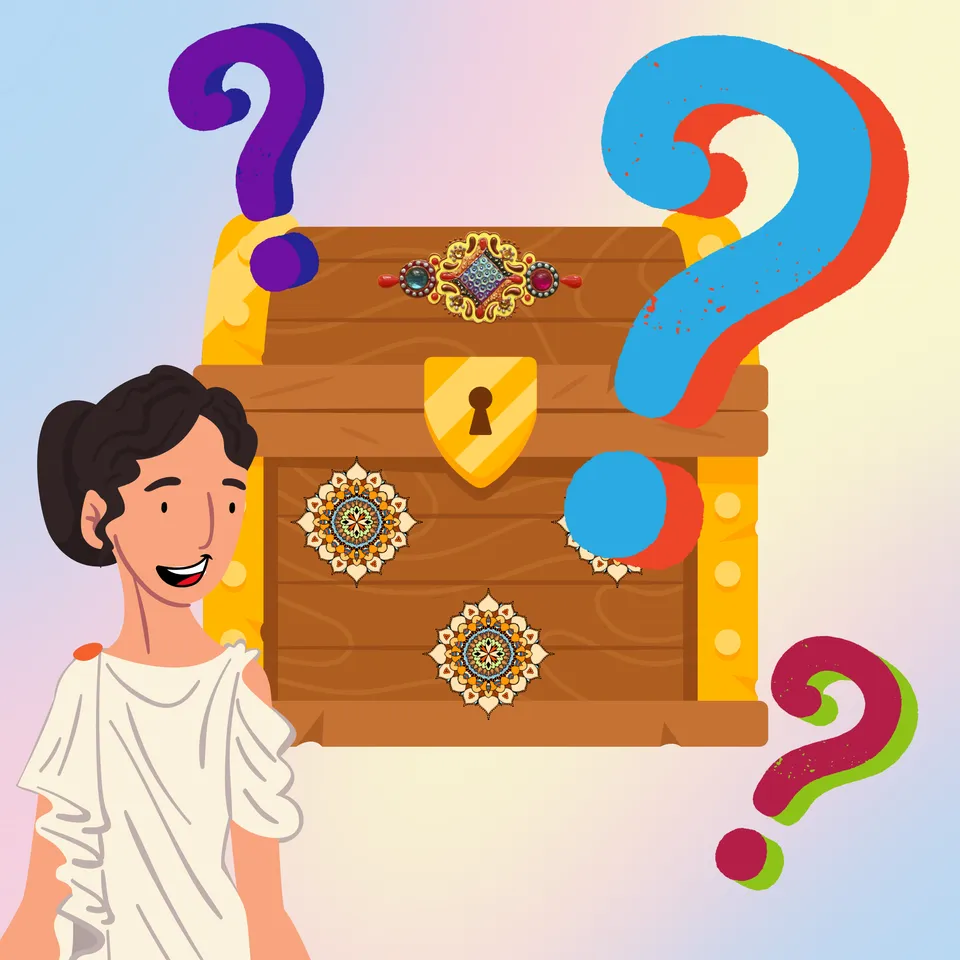
Pandora really, really wants to open up a mysterious box. But should she?
Pandora and Epimetheus are happy together, but little do they know that Zeus has brought Pandora—and her mysterious box—into Epimetheus’s life as a part of a big trick. Students learn about the importance of listening, forgiveness and hope in this interactive story.
Part of
Standards alignment
Common Core State Standards
- RL.3.2 — Recount stories, including fables, folktales, and myths from diverse cultures; determine the central message, lesson, or moral and explain how it is conveyed through key details in the text.
- RL.3.3 — Describe characters in a story (e.g., their traits, motivations, or feelings) and explain how their actions contribute to the sequence of events.
- RL.2.2 — Recount stories, including fables and folktales from diverse cultures, and determine their central message, lesson, or moral.
- RL.2.3 — Describe how characters in a story respond to major events and challenges.
- RL.3.1 — Ask and answer questions to demonstrate understanding of a text, referring explicitly to the text as the basis for the answers.
Alabama
- ELA21.2.30a — State and confirm predictions about a text.
- ELA21.2.35 — Demonstrate listening skills and build background knowledge by asking and answering questions about texts read aloud.
- ELA21.3.22c — Identify the central message, theme, or moral in a story, including myths, fables, and folktales, and explain the meaning conveyed in the passage.
- ELA21.1.25 — Describe connections between two individuals, events, ideas, or pieces of information, including cause and effect, sequence, and problem and solution, in a literary text.
- ELA21.2.23e — Identify the theme in myths, fables, and folktales.
Alaska
- RL.2.2 — Retell stories, including fables and folktales from diverse cultures, and determine the author's purpose (e.g., teach a lesson, make you laugh, tell a scary story, describe an imaginary place), lesson or moral.
- RL.3.2 — Determine the author's purpose, message, lesson, or moral and explain how it is conveyed through key details in the text; summarize stories in correct sequence, including fables and folktales from diverse cultures.
- RL.1.1 — Ask and answer questions about a literary text using key details from the text.
- RL.3.3 — Describe characters in a story (e.g., their traits, motivations, or feelings) and explain how their actions contribute to the sequence of events (e.g., creating or solving a problem).
Arizona
- 3.RL.2 * — Recount and paraphrase stories, including fables, folktales, and myths from diverse cultures; determine the central message, lesson, or moral and explain how it is conveyed through key details in text.
- 3.RL.3 — Describe characters in a story (e.g., their traits, motivations, or feelings) and explain how their actions contribute to the sequence of events.
- 2.RL.2 — Recount stories, including fables and folktales from diverse cultures, and determine their central message, lesson, or moral.
- 2.RL.3 — Describe how characters in a story respond to major events and challenges.
- 3.RL.1* — Ask and answer questions to demonstrate understanding of a text, referring explicitly to the text as the basis for the answers.
Arkansas
- 3.RC.2.RF — Answer questions about key details in a text.
- 4.RC.9.RL — Determine the theme of a story.
- 3.RC.4.RF — Build general and academic vocabulary and background knowledge of age and grade-appropriate topics through discussion, reading, and writing.
- 3.RC.5.RF — Use background knowledge and details, including illustrations, charts, and graphs, to make inferences about what happens in a text.
- 3.RC.7.RL — Describe how characters respond to major events and challenges.
California
- RL.3.2 — Recount stories, including fables, folktales, and myths from diverse cultures; determine the central message, lesson, or moral and explain how it is conveyed through key details in the text.
- K.1.3 — Know beliefs and related behaviors of characters in stories from times past and understand the consequences of the characters' actions.
- RL.1.10.b — Confirm predictions about what will happen next in a text.
- RL.2.2 — Recount stories, including fables and folktales from diverse cultures, and determine their central message, lesson, or moral.
- RL.3.3 — Describe characters in a story (e.g., their traits, motivations, or feelings) and explain how their actions contribute to the sequence of events.
Colorado
- RWC20-GR.3-S.2-GLE.1-EO.a.iii — Recount stories, including fables, folktales, and myths from diverse cultures; determine the central message, lesson, or moral and explain how it is conveyed through key details in the text.
- RWC20-GR.1-S.2-GLE.1-EO.a.iv — Make predictions about what will happen in the text and explain whether they were confirmed or not and why, providing evidence from the text.
- RWC20-GR.2-S.2-GLE.1-EO.a.iii — Recount stories, including fables and folktales from diverse cultures, and determine their central message, lesson, or moral.
- RWC20-GR.2-S.2-GLE.1-EO.a.iv — Describe how characters in a story respond to major events and challenges.
- RWC20-GR.3-S.2-GLE.3-EO.d.ii — Identify real-life connections between words and their use (for example: describe people who are friendly or helpful).
Connecticut
- RL.2.3 — Describe how characters in a story respond to major events and challenges.
- RL.3.2 — Recount stories, including fables, folktales, and myths from diverse cultures; determine the central message, lesson, or moral and explain how it is conveyed through key details in the text.
- RL.1.1 — Ask and answer questions about key details in a text.
- RL.2.2 — Recount stories, including fables and folktales from diverse cultures, and determine their central message, lesson, or moral.
- RL.1.3 — Describe characters, settings, and major events in a story, using key details.
Delaware
- RL.3.2 — Recount stories, including fables, folktales, and myths from diverse cultures; determine the central message, lesson, or moral and explain how it is conveyed through key details in the text.
- RL.2.2 — Recount stories, including fables and folktales from diverse cultures, and determine their central message, lesson, or moral.
- RL.2.3 — Describe how characters in a story respond to major events and challenges.
- RL.3.1 — Ask and answer questions to demonstrate understanding of a text, referring explicitly to the text as the basis for the answers.
- RL.3.3 — Describe characters in a story (e.g., their traits, motivations, or feelings) and explain how their actions contribute to the sequence of events.
Florida
- ELA.1.R.1.2 — Identify and explain the moral of a story.
- ELA.K12.EE.3.1 — Make inferences to support comprehension.
- ELA.2.R.1.2 — Identify and explain a theme of a literary text.
- ELA.K12.EE.2.1 — Read and comprehend grade-level complex texts proficiently.
- ELA.K12.EE.1.1 — Cite evidence to explain and justify reasoning.
Georgia
- ELAGSE3RL2 — Recount stories, including fables, folktales, and myths from diverse cultures; determine the central message, lesson, or moral and explain how it is conveyed through key details in the text.
- ELAGSE2RL2 — Recount stories, including fables and folktales from diverse cultures, and determine their central message, lesson, or moral.
- ELAGSE2RL3 — Describe how characters in a story respond to major events and challenges.
- ELAGSE3RL1 — Ask and answer questions to demonstrate understanding of a text, referring explicitly to the text as the basis for the answers.
- ELAGSE3RL3 — Describe characters in a story (e.g., their traits, motivations, or feelings) and explain how their actions contribute to the sequence of events.
- ELAGSE3L5.b — Identify real-life connections between words and their use (e.g., describe people who are friendly or helpful).
Hawaii
- 3.RL.2 — Recount stories, including fables, folktales, and myths from diverse cultures; determine the central message, lesson, or moral and explain how it is conveyed through key details in the text.
- 2.RL.2 — Recount stories, including fables and folktales from diverse cultures, and determine their central message, lesson, or moral.
- 2.RL.3 — Describe how characters in a story respond to major events and challenges.
- 3.RL.1 — Ask and answer questions to demonstrate understanding of a text, referring explicitly to the text as the basis for the answers.
- 3.RL.3 — Describe characters in a story (e.g., their traits, motivations, or feelings) and explain how their actions contribute to the sequence of events.
Idaho
- 2.RC.L.5a — Identify the central message, lesson, or moral of stories (including fables and folktales) from diverse cultures heard or read.
- 2.RC.L.5b — Describe how characters in stories heard or read respond to major events and challenges.
- 2.RC.TE.3 — Ask and answer such questions as who, what, where, when, why, and how to demonstrate understanding of key details in grade-level texts heard or read.
- 3.RC.L.5a — Describe key details from stories (including folktales, fables, and tall tales) from diverse cultures and explain how they support the central lesson, moral, or theme.
Illinois
- RL.3.2 — Recount stories, including fables, folktales, and myths from diverse cultures; determine the central message, lesson, or moral and explain how it is conveyed through key details in the text.
- RL.2.1 — Ask and answer such questions as who, what, where, when, why, and how to demonstrate understanding of key details in a text.
- RL.2.3 — Describe how characters in a story respond to major events and challenges.
- SS.2.EC.1 — Demonstrate how our choices can affect ourselves and others in positive and negative ways.
Indiana
- 1.RC.4 — Make and confirm predictions about what will happen next in a story.
- 2.RC.2 — Recount the beginning, middle, and ending of stories, including fables and folktales from diverse cultures, and determine their central message, lesson, or moral.
- 3.RC.1 — Ask and answer questions to demonstrate comprehension of a text, referring explicitly to the text as the basis for the answers. (E)
- 3.RC.2 — Recount folktales, fables, and tall tales from diverse cultures; identify the themes in these works. (E)
- 3.RC.3 — Describe characters in a story (e.g., their traits, motivations, or feelings), and explain how their actions contribute to the plot.
Iowa
- RL.2.3 — Describe how characters in a story respond to major events and challenges, drawing on key details.
- RL.3.2 — Recount and determine the central message, lesson, or moral of fables, folktales, and myths from diverse cultures and explain how it is conveyed through key details in the text.
- RL.2.1 — Ask and answer such questions as who, what, where, when, why, and how to demonstrate understanding of key details using evidence from the text.
- RL.2.2 — Recount and determine the central message, lesson or moral of stories, including but not limited to fables and folktales from diverse cultures.
- L.3.5.b — Identify real-life connections between words and their use (e.g., describe people who are friendly or helpful).
Kansas
- RL.3.1 — Ask and answer questions to demonstrate understanding of a text, referring explicitly to the text as the basis for the answers.
- RL.3.2 — Recount stories, including fables, folktales, and myths from diverse cultures; determine the central message, lesson, or moral and explain how it is conveyed through key details in the text.
- RL.2.3 — Describe how characters in a story respond to major events and challenges.
- RL.3.3 — Describe characters in a story (e.g., their traits, motivations, or feelings) and explain how their actions contribute to the sequence of events.
- RL.1.2 — Retell stories, including key details, and demonstrate understanding of their central message or lesson.
Kentucky
- RL.2.2 — Identify implicit and explicit information from a summary to determine the author’s message, lesson learned and/or moral, including but not limited to fables and folktales from diverse cultures.
- RL.2.3 — Describe how characters in a story respond to major events and challenges in order to make meaning of the story development.
- K.C.PR.2 — Describe consequences of following or not following rules.
- RL.3.1 — Ask and answer questions, and make and support logical inferences to construct meaning from the text.
- RL.3.2 — Identify and cite relevant implicit and explicit information from a summary to determine the theme, lesson learned and/or moral, including but not limited to fables, folktales and myths from diverse cultures.
Louisiana
- RL.2.2 — Recount stories, including fables and folktales from diverse cultures, and determine their central message, lesson, or moral.
- RL.3.2 — Recount stories, including fables, folktales, and myths from diverse cultures; determine the central message, lesson, or moral and explain how it is conveyed through key details in the text.
- RL.2.1 — Ask and answer such questions as who, what, where, when, why, and how to demonstrate understanding of key details in a text.
- RL.2.3 — Describe how characters in a story respond to major events and challenges.
- 1.15 — Describe the importance of fairness, responsibility, respect, and hard work. For example: a. Taking care of personal belongings and respecting the property of others. b. Following rules and recognizing consequences of breaking rules. c. Taking responsibility for assigned duties.
Maine
- R.4.2.a — Ask and answer questions about who, what, when, where, how and why.
- R.6.2.a — Describe how characters in a story respond to major events and challenges.
- R.5.3.a — Retell texts, including details about who, what, when, where, why and how; explain how the theme is supported.
- R.6.2.b — Describe the relationship between a series of events, ideas or concepts, using language that pertains to time, sequence, and cause/effect.
- L.5.3.b — Identify real-life connections between words and their use (e.g., describe people who are friendly or helpful).
Maryland
- RL.3.2 — Recount stories, including fables, folktales, and myths from diverse cultures; determine the central message, lesson, or moral and explain how it is conveyed through key details in the text.
- RL.2.2 — Recount stories, including fables and folktales from diverse cultures, and determine their central message, lesson, or moral.
- RL.2.3 — Describe how characters in a story respond to major events and challenges.
- L.3.5.b — Identify real-life connections between words and their use (e.g., describe people who are friendly or helpful).
Massachusetts
- RL.2.3 — Describe how characters in a story respond to major events and challenges.
- RL.3.2 — Retell stories, including fables, folktales, and myths from diverse cultures; determine the central message, lesson, or moral and explain how it is conveyed through key details in the text.
- RL.2.1 — Ask and answer such questions as who, what, where, when, why, and how to demonstrate understanding of key details in a text.
- RL.2.2 — Retell stories, including fables and folktales from diverse cultures, and determine their central message, lesson, or moral.
Michigan
- RL.2.1 — Ask and answer such questions as who, what, where, when, why, and how to demonstrate understanding of key details in a text.
- RL.3.2 — Recount stories, including fables, folktales, and myths from diverse cultures; determine the central message, lesson, or moral and explain how it is conveyed through key details in the text.
- RL.2.2 — Recount stories, including fables and folktales from diverse cultures, and determine their central message, lesson, or moral.
- RL.2.3 — Describe how characters in a story respond to major events and challenges.
Minnesota
- 2.1.4.2 — Identify the central idea, message, or moral of a text and one or two supporting details.
- 3.1.4.2 — Identify the central idea or argument in fables, folktales, and myths, explain how it is supported by key details, and describe the connection between details.
- 1.1.4.2 — Identify the central idea, message or moral of a text, with prompting as needed.
- 2.3.1.1.f — Exchange ideas in storytelling, discussion and collaboration, intentionally including and considering voices and perspectives of Dakota and Anishinaabe people and other perspectives: follow sequence of a story or discussion or steps in a process.
Mississippi
- RL.3.2 — Recount stories, including fables, folktales, and myths from diverse cultures; determine the central message, lesson, or moral and explain how it is conveyed through key details in the text.
- RL.2.2 — Recount stories, including fables and folktales from diverse cultures, and determine their central message, lesson, or moral.
- RL.2.3 — Describe how characters in a story respond to major events and challenges.
- RL.3.1 — Ask and answer questions to demonstrate understanding of a text, referring explicitly to the text as the basis for the answers.
- RL.3.3 — Describe characters in a story (e.g., their traits, motivations, or feelings) and explain how their actions contribute to the sequence of events.
- K.CI.2.1 — Identify the purpose of rules and explain why rules should be followed.
Missouri
- 2.R.1.A.d — retelling a story’s beginning, middle, and end and determining its central message, lesson, or moral
- 2.R.2.A.a — describe the setting, problems, solutions, sequence of events (plot), and big idea or moral lesson
- 3.R.1.A.c — summarizing a story’s beginning, middle, and end determining its central message, lesson, or moral
Montana
- RL.3.1 — Ask and answer questions to demonstrate understanding of a text, referring explicitly to the text as the basis for the answers.
- RL.3.2 — Recount stories, including fables, folktales, and myths from diverse cultures, including those by and about American Indians; determine the central message, lesson, or moral; and explain how it is conveyed through key details in the text.
- RL.3.3 — Describe characters in a story (e.g., their traits, motivations, or feelings) and explain how their actions contribute to the sequence of events.
- RL.2.2 — Recount stories, including fables and folktales from diverse cultures, including American Indian stories, and determine their central message, lesson, or moral.
- RL.2.3 — Describe how characters in a story respond to major events and challenges.
Nebraska
- LA.2.RP.1 — Recount narratives and determine their central message, lesson, or moral.
- LA.3.RP.1 — Identify the central message or lesson in a literary text and explain how key details support that idea.
- LA.3.RP.2 — Explain how characters respond to major events and challenges in a literary text.
- LA.3.RP.6 — Explain what the text says explicitly and draw inferences when asking and answering questions.
- LA.3.V.2.b — Identify real-life connections between words and their use (e.g., describe people who are friendly or helpful).
Nevada
- RL.3.2 — Recount stories, including fables, folktales, and myths from diverse cultures; determine the central message, lesson, or moral and explain how it is conveyed through key details in the text.
- RL.1.1 — Ask and answer questions about key details in a text.
- RL.2.2 — Recount stories, including fables and folktales from diverse cultures, and determine their central message, lesson, or moral.
- RL.2.3 — Describe how characters in a story respond to major events and challenges.
- SS.1.10 — Share stories that illustrate honesty, courage, friendship, respect, and responsibility; have students explain how the stories show these qualities.
New Hampshire
- RL.3.1 — Ask and answer questions to demonstrate understanding of a text, referring explicitly to the text as the basis for the answers.
- RL.3.2 — Recount stories, including fables, folktales, and myths from diverse cultures; determine the central message, lesson, or moral and explain how it is conveyed through key details in the text.
- RL.3.3 — Describe characters in a story (e.g., their traits, motivations, or feelings) and explain how their actions contribute to the sequence of events.
- RL.2.2 — Recount stories, including fables and folktales from diverse cultures, and determine their central message, lesson, or moral.
- RL.2.3 — Describe how characters in a story respond to major events and challenges.
New Jersey
- RL.3.2 — Recount stories, including fables, folktales, and myths from diverse cultures; determine the central message/theme, lesson, or moral and explain how it is revealed through key details in the text.
- RL.3.3 — Describe the characters in a story (e.g., their traits, motivations, or feelings) and explain how their actions contribute to the plot.
- RL.2.1 — Ask and answer such questions as who, what, where, when, why, and how to demonstrate understanding of key details in a text.
- RL.2.2 — Recount stories, including fables and folktales from diverse cultures, and determine their central message/theme, lesson, or moral.
- RL.2.3 — Describe how characters in a story respond to major events and challenges using key details.
New Mexico
- RL.2.3 — Describe how characters in a story respond to major events and challenges.
- RL.3.2 — Recount stories, including fables, folktales, and myths from diverse cultures; determine the central message, lesson, or moral and explain how it is conveyed through key details in the text.
- K.8 — Identify the consequences of following and not following rules.
- RL.2.2 — Recount stories, including fables and folktales from diverse cultures, and determine their central message, lesson, or moral.
- RL.2.NM.1 — Identify the main topic, retell key details of a text, and make predictions;
New York
- 3R1 — Develop and answer questions to locate relevant and specific details in a text to support an answer or inference. (RI&RL)
- 3R2 — Determine a theme or central idea and explain how it is supported by key details; summarize portions of a text. (RI&RL)
- 3R3 — In literary texts, describe character traits, motivations, or feelings, drawing on specific details from the text. (RL) In informational texts, describe the relationship among a series of events, ideas, concepts, or steps in a text, using language that pertains to time, sequence, and cause/effect. (RI)
- 2R3 — In literary texts, describe how characters respond to major events and challenges. (RL) In informational texts, describe the connections between ideas, concepts, or a series of events. (RI)
- 3.4a — People in world communities use legends, folktales, oral histories, biographies, and historical narratives to transmit cultural histories from one generation to the next.
North Carolina
- RL.3.2 — Recount stories, including fables, folktales, and myths from diverse cultures; determine the central message, lesson, or moral and explain how it is conveyed through key details in the text.
- RL.2.2 — Recount stories, including fables and folktales from diverse cultures, and determine their central message, lesson, or moral.
- RL.2.3 — Describe how characters in a story respond to major events and challenges.
- SL.2.1 — Participate in collaborative conversations with diverse partners about grade 2 topics and texts with peers and adults in small and larger groups.
- K.C&G.1.3 — Identify the consequences of following or not following rules in the classroom, school, and community.
North Dakota
- 2.R.8a — Describe characters' feelings or traits during or after listening to a story.
- 3.R.8a — Describe characters' feelings, traits, motivations, and actions after reading a story.
- 4.R.4 — Identify a theme based on textual evidence.
- 1.R.5 — Determine the meaning of unknown and multiple-meaning words and phrases through read-alouds or other text-listening experiences.
Ohio
- RL.2.1 — Ask and answer such questions as who, what, where, when, why, and how to demonstrate understanding of key details in a text.
- RL.2.2.a — Determine the lesson or moral.
- RL.2.3 — Describe how characters in a story respond to major events and challenges.
- RL.3.2.a — Determine a theme and explain how it is conveyed through key details in the text.
- RL.3.3 — Describe characters in a story (e.g., their traits, motivations, or feelings) and explain how their actions contribute to the sequence of events.
Oklahoma
- 1.3.R.5 — Students will begin to use details from a text to draw conclusions and make predictions.
- K.1.1 — Describe the importance of rules, personal responsibilities, and natural consequences as a member of a family, class, and school.
- 2.3.R.3 — Students will find examples of literary elements: • setting (i.e., time and place) • plot (i.e., beginning, middle, end) • characters and their traits
Oregon
- 2.RL.3 — Describe how characters in a story respond to major events and challenges, including identifying the characters' feelings, the plot or problem, and how it is resolved.
- 3.RL.2 — Recount and summarize stories, including fables, folktales, and myths from diverse cultures; determine the central message, lesson, or moral, and explain how it is conveyed through key details in the text.
- 2.RL.1 — Ask and answer such questions as who, what, where, when, why, and how to demonstrate understanding of key details in a text.
- 2.RL.2 — Recount stories, including fables and folktales from diverse cultures, and determine their central message, lesson, or moral.
- 3.L.5b — Identify real-life connections between words and their use.
Pennsylvania
- CC.1.3.2.A — Recount stories and determine their central message, lesson, or moral.
- CC.1.3.1.A — Retell stories, including key details, and demonstrate understanding of their central message or lesson.
- CC.1.3.2.C — Describe how characters in a story respond to major events and challenges.
- CC.1.3.3.A — Determine the central message, lesson, or moral in literary text; explain how it is conveyed in text.
- CC.1.3.1.C — Describe characters, settings, and major events in a story, using key details.
Rhode Island
- RL.3.2 — Retell stories, including fables, folktales, and myths from diverse cultures, determine the central message, lesson, or moral and explain how it is conveyed through key details in a text.
- RL.2.1 — Ask and answer such questions as who, what, where, when, why, and how to demonstrate understanding of key details in a text.
- RL.2.2 — Retell stories, including fables and folktales from diverse cultures, and determine their central message, lesson, or moral.
- RL.2.3 — Describe how characters in a story respond to major events and challenges.
- RL.3.3 — Describe characters in a story (e.g., their traits, motivations, or feelings) and explain how their actions contribute to the sequence of events.
South Carolina
- ELA.1.AOR.2.1 — Retell a story using main story elements and identify a lesson in a literary text.
- ELA.2.AOR.2.1 — Identify and explain an explicit theme in a literary text.
- ELA.2.OE.3 — Make inferences to support comprehension.
- ELA.3.AOR.2.1 — Identify and explain an explicit theme in a literary text and how it is developed by key details.
South Dakota
- 2.RL.2 — Retell stories, those from diverse cultures, and determine their central message/theme, lesson, or moral
- 2.RL.3 — Describe how characters in a story respond to major events and challenges.
- 2.RL.1 — Ask and answer such questions as who, what, where, when, why, and how to demonstrate understanding of key details in a text.
- 3.RL.2 — Retell stories, including those from diverse cultures; determine the central message/theme, lesson, or moral and explain how it is revealed through key details in the text.
Tennessee
- 3.RL.KID.1 — Ask and answer questions to demonstrate understanding of a text, referring explicitly to the text as a basis for the answers.
- 3.RL.KID.2 — Recount stories, including fables, folktales, and myths from diverse cultures; determine the central message, lesson, or moral and explain how it is conveyed through key details in the text.
- 2.RL.KID.3 — Describe how characters in a story respond to major events and challenges.
- 3.RL.KID.3 — Describe characters in a story and explain how their actions contribute to the sequence of events.
Texas
- 3.10A — explain the author's purpose and message within a text;
- 3.7G — discuss specific ideas in the text that are important to the meaning.
- 3.6E — make connections to personal experiences, ideas in other texts, and society;
- 3.9A — demonstrate knowledge of distinguishing characteristics of well-known children's literature such as folktales, fables, fairy tales, legends, and myths;
Utah
- 1.2.1.e — Articulate how individual choices affect self, peers, and others.
- 1.2.1.g — Predict possible consequences for a variety of actions.
- K.2.1.a — Explain why families and classrooms have rules (e.g., examples of rules and consequences).
- K.R.6 — Retell familiar stories. (RL) Share key details from a text. (RI)
Vermont
- RL.2.2 — Recount stories, including fables and folktales from diverse cultures, and determine their central message, lesson, or moral.
- RL.3.2 — Recount stories, including fables, folktales, and myths from diverse cultures; determine the central message, lesson, or moral and explain how it is conveyed through key details in the text.
- RL.2.1 — Ask and answer such questions as who, what, where, when, why, and how to demonstrate understanding of key details in a text.
- RL.2.3 — Describe how characters in a story respond to major events and challenges.
Virginia
- 2.RL.1.C — Describe character’s attributes (e.g., traits, motivations, or feelings) and how they respond to major events and challenges.
- 2.RL.1.D — Generate predictions about story characters and events using the text.
- 3.RL.1.A — Identify thematic topics of stories (e.g. friendship, survival, determination) and the lessons learned.
- 3.RV.1.F — Develop breadth of vocabulary knowledge by listening to and reading high quality, complex text.
Washington
- RL.3.2 — Recount stories, including fables, folktales, and myths from diverse cultures; determine the central message, lesson, or moral and explain how it is conveyed through key details in the text.
- RL.3.3 — Describe characters in a story (e.g., their traits, motivations, or feelings) and explain how their actions contribute to the sequence of events.
- RL.2.2 — Recount stories, including fables and folktales from diverse cultures, and determine their central message, lesson, or moral.
- RL.2.3 — Describe how characters in a story respond to major events and challenges.
- RL.3.1 — Ask and answer questions to demonstrate understanding of a text, referring explicitly to the text as the basis for the answers.
Washington, D.C.
- RL.3.2 — Recount stories, including fables, folktales, and myths from diverse cultures; determine the central message, lesson, or moral and explain how it is conveyed through key details in the text.
- RL.1.1 — Ask and answer questions about key details in a text.
- RL.2.2 — Recount stories, including fables and folktales from diverse cultures, and determine their central message, lesson, or moral.
- RL.2.3 — Describe how characters in a story respond to major events and challenges.
West Virginia
- ELA.3.2 — Recount stories, including fables, folktales, and myths from diverse cultures; determine the central message, lesson, or moral and explain how it is conveyed through key details in the literary text.
- ELA.2.2 — Recount stories, including fables and folktales from diverse cultures and determine their central message, lesson, or moral in literary text.
- ELA.2.3 — Describe how characters in a story respond to major events and challenges in literary text.
- ELA.3.1 — Ask and answer questions to demonstrate understanding of a literary text, referring explicitly to the text as the basis for the answers.
- ELA.3.3 — Describe characters in a literary story (e.g., their traits, motivations, or feelings) and explain how their actions contribute to the sequence of events.
Wisconsin
- ELA.2.R.1 — Develop and answer questions to demonstrate an understanding of key ideas and details in a text. (RI&RL)
Wyoming
- RL.2.3 — Describe how characters in a story respond to major events and challenges.
- RL.3.2 — Recount stories, including fables, folktales, and myths from diverse cultures; determine the central message, lesson, or moral and explain how it is conveyed through key details in the text.
- RL.2.1 — Ask and answer such questions as who, what, where, when, why, and how to demonstrate understanding of key details in a text.
- RL.2.2 — Recount stories, including fables and folktales from diverse cultures, and determine their central message, lesson, or moral.