Chi-Chi the Nervous Chicken
Ages 3–6 · 12 minutes · English, Stories
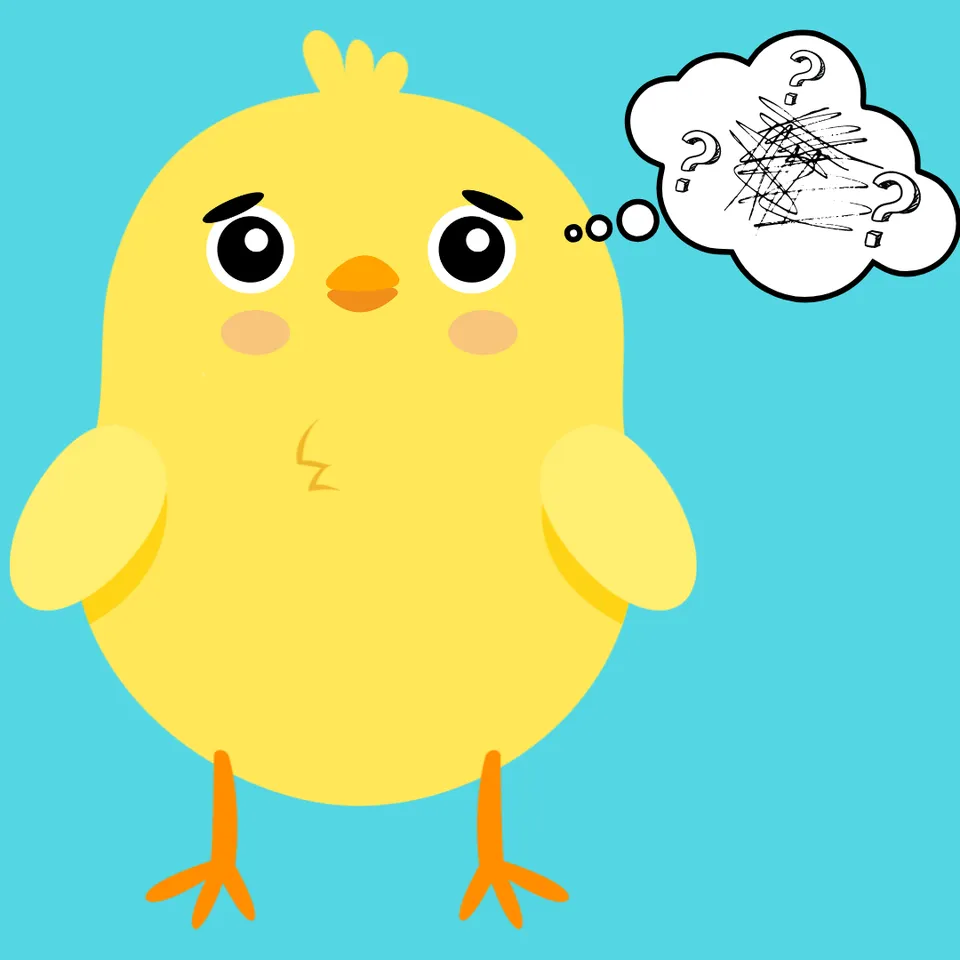
Chi-Chi the little chicken gets nervous sometimes. Go along with Chi-Chi and help her find her courage as she tries new things.
Chi-Chi the little chicken gets nervous sometimes! Go along with Chi-Chi and help her find her courage as she tries new things: the big slide at the playground, getting her hair cut, and going to her first-ever dance class!
Part of
Standards alignment
Common Core State Standards
- L.K.5 — With guidance and support from adults, explore word relationships and nuances in word meanings.
- RL.K.4 — Ask and answer questions about unknown words in a text.
- SL.K.6 — Speak audibly and express thoughts, feelings, and ideas clearly.
- RL.K.3 — With prompting and support, identify characters, settings, and major events in a story.
- SL.K.2 — Confirm understanding of a text read aloud or information presented orally or through other media by asking and answering questions about key details and requesting clarification if something is not understood.
Alabama
- ELA21.K.17 — With guidance and support, orally utilize new academic, content-specific, grade-level vocabulary and relate new words to prior knowledge.
- ELA21.K.19 — Ask and answer questions about unfamiliar words in discussions and/or text.
- ELA21.K.19a — Describe the relationship between words, including relating them to synonyms and antonyms.
- ELA21.K.1d — Listen to others and take turns speaking, carrying on a conversation through multiple exchanges.
- ELA21.K.21b — Use new words and phrases acquired through conversations, reading and being read to, and responding to text.
Alaska
- RL.K.1 — With prompting and support, ask and answer questions about a literary text using key details from the text.
- RL.K.4 — Ask and answer questions about unknown words in a text.
- L.K.5 — With guidance and support from adults, explore word relationships and nuances in word meanings.
- RL.K.3 — With prompting and support, identify characters, settings, major events, and problem-solution in a story, song, or poem.
- SL.K.2 — Confirm understanding of a text read aloud or information presented orally or through other media by asking and answering questions about key details and requesting clarification if something is not understood.
Arizona
- K.L.5.c — Identify real‐life connections between words and their use (e.g., note places at school that are colorful).
- K.L.6 — Use words and phrases acquired through conversations, reading and being read to, and responding to texts.
- K.RL.1 — With prompting and support, ask and answer questions about key details in a text.
- K.RL.3 — With prompting and support, identify characters, settings, and major events in a story.
- K.SL.2 — Confirm understanding of a text read aloud or information presented orally or through other media by asking and answering questions about key details and requesting clarification if something is not understood.
Arkansas
- K.V.1 — Determine or clarify the meaning of words and phrases in a text read aloud.
- 1.V.4 — Distinguish shades of meaning among adjectives differing in intensity/degree (e.g., scared, afraid, terrified, horrified).
- K.CC.1.OL — Participate in collaborative conversations.
California
- L.K.4 — Determine or clarify the meaning of unknown and multiple-meaning words and phrases based on kindergarten reading and content.
- RL.K.1 — With prompting and support, ask and answer questions about key details in a text.
- L.K.5.c — Identify real-life connections between words and their use (e.g., note places at school that are colorful).
- RL.K.3 — With prompting and support, identify characters, settings, and major events in a story.
- SL.K.2 — Confirm understanding of a text read aloud or information presented orally or through other media by asking and answering questions about key details and requesting clarification if something is not understood.
Colorado
- RWC20-GR.K-S.1-GLE.2 — Develop oral communication skills through a language-rich environment.
- RWC20-GR.K-S.1-GLE.2-EO.c — Speak audibly and express thoughts, feelings, and ideas clearly.
- RWC20-GR.1-S.2-GLE.1-EO.a.ii — Retell stories, including key details, and demonstrate understanding of their central message or lesson.
- RWC20-GR.1-S.2-GLE.1-EO.b.i — Identify words and phrases in stories or poems that suggest feelings or appeal to the senses.
- RWC20-GR.PS-S.1-GLE.1-EO.a — Attend to language during conversations, songs, stories or other learning experiences.
Connecticut
- L.K.5 — With guidance and support from adults, explore word relationships and nuances in word meanings.
- L.K.5.c — Identify real-life connections between words and their use (e.g., note places at school that are colorful).
- L.K.4 — Determine or clarify the meaning of unknown and multiple-meaning words and phrases based on kindergarten reading and content.
- L.K.6 — Use words and phrases acquired through conversations, reading and being read to, and responding to texts.
- RL.1.2 — Retell stories, including key details, and demonstrate understanding of their central message or lesson.
- RL.1.4 — Identify words and phrases in stories or poems that suggest feelings or appeal to the senses.
Delaware
- L.K.5.c — Identify real-life connections between words and their use (e.g., note places at school that are colorful).
- RL.K.1 — With prompting and support, ask and answer questions about key details in a text.
- RL.K.4 — Ask and answer questions about unknown words in a text.
- L.K.6 — Use words and phrases acquired through conversations, reading and being read to, and responding to texts.
- RL.1.2 — Retell stories, including key details, and demonstrate understanding of their central message or lesson.
Florida
- ELA.1.R.1.2 — Identify and explain the moral of a story.
- ELA.K.R.3.2 — Retell a text orally to enhance comprehension: • Use main character(s), setting, and important events for a story. • Use topic and details for an informational text.
Georgia
- ELAGSEKSL1 — Participate in collaborative conversations with diverse partners about kindergarten topics and texts with peers and adults in small and larger groups.
- ELAGSE1L5.c — Identify real-life connections between words and their use (e.g., note places at home that are cozy).
- ELAGSE1RL2 — Retell stories, including key details, and demonstrate understanding of their central message or lesson.
- ELAGSEKSL2 — Confirm understanding of written texts read aloud or information presented orally or through media by asking and answering questions about key details and requesting clarification if something is not understood.
Hawaii
- K.L.5 — With guidance and support from adults, explore word relationships and nuances in word meanings.
- K.L.6 — Use words and phrases acquired through conversations, reading and being read to, and responding to texts.
- 1.RL.2 — Retell stories, including key details, and demonstrate understanding of their central message or lesson.
- K.L.5c — Identify real-life connections between words and their use (e.g., note places at school that are colorful).
Idaho
- K.SS.4.1.3 — Identify personal traits, such as courage, honesty, and responsibility.
- K.VD.WB.1 — Determine or clarify the meaning of unknown and multiple-meaning words and phrases based on kindergarten reading and content.
- K.RC.TE.3 — Ask and answer questions about key details in texts heard.
- K.VD.WB.2b — Demonstrate understanding of frequently occurring verbs and adjectives by relating them to their synonyms and antonyms.
- K.VD.WB.2d — Identify real-life connections between words and their use (e.g., note places at home that are cozy).
Illinois
- L.K.5 — With guidance and support from adults, explore word relationships and nuances in word meanings.
- L.K.4 — Determine or clarify the meaning of unknown and multiple-meaning words and phrases based on kindergarten reading and content.
- L.K.5.c — Identify real-life connections between words and their use (e.g., note places at school that are colorful).
- L.K.6 — Use words and phrases acquired through conversations, reading and being read to, and responding to texts.
- RL.1.2 — Retell stories, including key details, and demonstrate understanding of their central message or lesson.
Indiana
- K.CC.1 — Participate in collaborative conversations about grade-appropriate topics and texts with peers and adults in small and larger groups. (E)
- K.CC.3 — Ask and answer questions about key details in a text read aloud or information presented orally or through other media. (E)
- K.RC.1 — With support, ask and answer questions about main topics and key details in a text heard or read. (E)
- K.RC.5 — With support, retell the main idea and key details of a text.
Iowa
- RL.K.4 — Ask and answer questions about unknown words in a text.
- L.K.5.c — Identify real-life connections between words and their use (e.g., note places at school that are colorful).
- RL.K.1 — With prompting and support, ask and answer questions about key details in a text.
- RL.K.3 — With prompting and support, identify characters, settings, and major events in a story.
- SL.K.1.b — Continue a conversation through multiple exchanges.
Kansas
- RL.K.1 — With prompting and support, ask and answer questions about key details in a text.
- RL.K.12 — With guidance and support from adults, explore word relationships and nuances in word meanings.
- RL.K.3 — With prompting and support, identify characters, settings, and major events in a story.
- RL.K.4 — Ask and answer questions about unknown words in a text.
- RL.K.2 — With prompting and support, retell familiar stories, including key details.
Kentucky
- L.K.5.c — Demonstrate an understanding of verbs and adjectives and their synonyms.
- RL.K.2 — With prompting and support, orally recognize key details from a summary to demonstrate understanding of the lesson learned in the story.
- RL.K.4 — With prompting and support, identify words and phrases in stories or poems that suggest feelings or appeal to the senses.
- L.K.4 — Determine or clarify the meaning of unknown and multiple-meaning words and phrases based on kindergarten reading and content.
- L.K.5 — With guidance and support from adults, explore word relationships and nuances in word meanings.
Louisiana
- L.K.5 — With guidance and support from adults, explore word relationships and nuances in word meanings.
- RL.K.4 — Ask and answer questions about unknown words in a text.
- RL.K.3 — With prompting and support, identify characters, settings, and major events in a story.
- SL.K.4 — Describe familiar people, places, things, and events and, with prompting and support, provide additional detail.
- RL.1.2.b — Recognize and understand the central message or lesson.
Maine
- L.5.K.d — Distinguish shades of meaning among verbs differing in manner (e.g., look, peek, glance, stare, glare, scowl) and adjectives differing in intensity (e.g., large, gigantic) by defining or choosing them or by acting out the meanings.
- R.6.K.a — With prompting and support, identify characters, settings, and major events in a story.
- L.5.K.c — Identify real-life connections between words and their use (e.g., note places at school that are colorful).
- R.4.K.a — Ask and answer questions with prompting and support about who, what, when, where, and how.
- SL.4.K.a — Speak audibly and express thoughts, feelings, and ideas clearly.
Maryland
- RL.1.2 — Retell stories, including key details, and demonstrate understanding of their central message or lesson.
- RL.1.4 — Identify words and phrases in stories or poems that suggest feelings or appeal to the senses.
Michigan
- L.K.5.c — Identify real-life connections between words and their use (e.g., note places at school that are colorful).
- P4.3 — Explain different strategies students and others could take to address problems and predict possible results.
- RL.1.2 — Retell stories, including key details, and demonstrate understanding of their central message or lesson.
- SL.K.2 — Confirm understanding of a text read aloud or information presented orally or through other media by asking and answering questions about key details and requesting clarification if something is not understood.
- SL.K.6 — Speak audibly and express thoughts, feelings, and ideas clearly.
Minnesota
- 0.1.4.1 — Ask and answer questions about key details in a text, with prompting and support.
- 0.2.5.2 — Verbally or visually respond to a story, with support and guidance.
- 0.3.1 — Exchange ideas in discussion and collaboration, as listener, speaker and participant, A) including the voices and perspectives of Dakota and Anishinaabe people as well other perspectives, identities and cultures like and unlike their own, and B) expressing one’s own ideas, stories and experiences.
- 0.3.1.1.c — Exchange ideas in storytelling, discussion and collaboration, with intentional inclusion of voices of Dakota and Anishinaabe people and other perspectives: follow sequence of a story or discussion or steps in a process.
- 0.2.4.1 — State a personal opinion for the purpose of sharing, verbally, visually orin written form, with support and guidance.
Mississippi
- L.K.5.c — Identify real-life connections between words and their use (e.g., note places at school that are colorful).
- RL.1.2 — Retell stories, including key details, and demonstrate understanding of their central message or lesson.
Missouri
- K.R.1.C.a — text to self (text ideas and own experiences)
- K.R.1.A.c — retelling main ideas or important facts from a read aloud or familiar story
- K.SL.2.A.a — demonstrating active listening, according to classroom expectations
Montana
- RL.K.1 — With prompting and support, ask and answer questions about key details in a text.
- RL.K.4 — Ask and answer questions about unknown words in a text.
- L.K.5.c — Identify real-life connections between words and their use (e.g., note places at school that are colorful).
- RL.K.3 — With prompting and support, identify characters, settings, and major events in a story.
- SL.K.6 — Speak audibly and express thoughts, feelings, and ideas clearly.
Nebraska
- LA.K.SL.2.d — Demonstrate awareness of and sensitivity to the appropriate use of words (e.g., helpful/hurtful words).
- LA.K.V.2.d — With prompting and support, identify and explain descriptive words and phrases that suggest feelings or appeal to the senses.
- LA.K.RP.1 — With prompting and support, orally retell familiar stories, including key details, and demonstrate understanding of their central message or lesson.
- LA.K.SL.2 — With prompting and support, describe familiar people, places, things, and events, and provide additional detail.
- SS K.4.2.a — Compare perspectives of self and others.
Nevada
- RL.K.4 — Ask and answer questions about unknown words in a text.
- SS.K.10. — Share and discuss stories that illustrate honesty, courage, friendship, respect, and responsibility.
- L.K.5 — With guidance and support from adults, explore word relationships and nuances in word meanings.
- RL.K.1 — With prompting and support, ask and answer questions about key details in a text.
- RL.K.2 — With prompting and support, retell familiar stories, including key details.
- SL.K.6 — Speak audibly and express thoughts, feelings, and ideas clearly.
New Hampshire
- L.K.5 — With guidance and support from adults, explore word relationships and nuances in word meanings.
- RL.K.4 — Ask and answer questions about unknown words in a text.
- L.K.6 — Use words and phrases acquired through conversations, reading and being read to, and responding to texts.
- RL.K.3 — With prompting and support, identify characters, settings, and major events in a story.
- SL.K.2 — Confirm understanding of a text read aloud or information presented orally or through other media by asking and answering questions about key details and requesting clarification if something is not understood.
New Jersey
- L.K.5 — With guidance and support from adults, explore word relationships and nuances in word meanings.
- RL.K.1 — With prompting and support, ask and answer questions about key details in a text (e.g., who, what, where, when, why, how).
- L.K.6 — Use words and phrases acquired through conversations, reading and being read to, and responding to texts.
- RL.K.3 — With prompting and support, identify characters, settings, and major events in a story.
- RL.K.4 — Ask and answer questions about unknown words in a text.
- 6.1.2.CivicsCM.2 — Use examples from a variety of sources to describe how certain characteristics can help individuals collaborate and solve problems (e.g., open-mindedness, compassion, civility, persistence).
New Mexico
- L.K.5 — With guidance and support from adults, explore word relationships and nuances in word meanings.
- L.K.5.c — Identify real-life connections between words and their use (e.g., note places at school that are colorful).
- L.K.6 — Use words and phrases acquired through conversations, reading and being read to, and responding to texts.
- RL.K.NM.1 — Identify the main topic, retell key details of a text, and make predictions.
- L.K.4 — Determine or clarify the meaning of unknown and multiple-meaning words and phrases based on kindergarten reading and content.
New York
- KR4 — Identify specific words that express feelings and senses. (RI&RL)
- KSL6 — Express thoughts, feelings, and ideas.
- KR9 — Make connections between self, text, and the world. (RI&RL)
- KR2 — Retell stories or share key details from a text. (RI&RL)
North Carolina
- L.K.5 — With guidance and support from adults, explore nuances in word meanings.
- RL.K.4 — With prompting and support, ask and answer questions about words in a text that suggest feelings or appeal to the senses.
- K.B.1.3 — Summarize stories that illustrate how positive character traits such as empathy, resilience, and respect, help people contribute to their communities.
- L.K.6 — Use words and phrases learned through conversations, reading and being read to, and responding to texts.
- RL.K.1 — With prompting and support, ask and answer questions about key details in a text.
- RL.K.3 — With prompting and support, identify characters, settings, and major events in a story.
North Dakota
- K.C.6 — Participate in conversations by listening to others and taking turns speaking.
- K.R.8a — Respond to or reenact characters' feelings in a story, poem,or nursery rhyme during or after a shared reading or other text-listening experience.
- 1.C.6 — Participate in conversations by listening to others and taking turns speaking about topics, continuing through multiple exchanges.
- 1.R.8a — Identify characters' feelings or traits in a story, poem,or nursery rhyme during or after a shared reading or other text-listening experience.
Oklahoma
- PK.7.R — Students will explore ideas and topics in a variety of media and formats with prompting.
Oregon
- K.L.5c — Identify real-life connections between words and their use.
- K.L.6 — Use words and phrases acquired through conversations, reading and being read to, and responding to texts.
- K.RL.1 — With prompting and support, ask and answer questions about key details in a text.
- K.RL.3 — With prompting and support, identify characters, settings, and major events in a story. Identify beginning/middle/end.
- K.SL.6 — Speak audibly and express thoughts, feelings, and ideas clearly.
Pennsylvania
- CC.1.3.K.B — Answer questions about key details in a text.
- CC.1.3.K.F — Ask and answer questions about unknown words in a text.
- CC.1.3.K.A — With prompting and support, retell familiar stories including key details.
- CC.1.3.K.I — Determine or clarify the meaning of unknown or multiple- meaning words and phrases based upon grade-level reading and content.
- CC.1.5.K.E — Speak audibly and express thoughts, feelings, and ideas clearly.
Rhode Island
- L.K.5 — With guidance and support from adults, explore word relationships and nuances in word meanings.
- RL.K.1 — With prompting and support, ask and answer questions about key details in a text.
- L.K.6 — Use words and phrases acquired through conversations, activities in the kindergarten curriculum, reading and being read to, and responding to texts.
- RL.K.3 — With prompting and support, identify characters, settings, and major events in a story.
- SL.K.2 — Confirm understanding of a text read aloud or information presented orally or through other media by asking and answering questions about key details and requesting clarification if something is not understood.
South Carolina
- ELA.K.C.8.1 — Participate with peers and adults in structured discussions and routines about grade-appropriate topics and texts: a. enter a conversation by greeting, taking turns, and responding to others with statements, phrases, and/or questions; and b. consider the ideas of others while engaging in conversations.
- ELA.1.AOR.2.1 — Retell a story using main story elements and identify a lesson in a literary text.
- ELA.K.C.8 — Through collaboration, react and respond to information while building upon the ideas of others and respecting diverse perspectives. (FK -1.3-2.18 LF BR-430)
- ELA.K.AOR.1.1.INIS — Indicator Insights: Characters can be described by appearance, feelings, and actions. Events that move the plot forward are what characters do or events that happen; events can include, but are not limited to, cause and effect and problem and solution relationships.
- ELA.K.C.9 — Evaluate and critique ideas and concepts interactively through listening and speaking. (FK -1.3-2.18 LF BR-430)
South Dakota
- K.L.5.c — Identify real-life connections between words and their use.
- K.RL.1 — With prompting and support, ask and answer questions about key details in a text.
- K.RL.3 — With prompting and support, describe characters, settings, and major events in a story.
- K.RL.4 — With prompting and support, ask and answer questions about unknown words in stories, poems, nursery rhymes, or songs.
- 1.RL.2 — Retell stories, including key details, and demonstrate understanding of their central message or lesson.
Tennessee
- K.SL.PKI.6 — With guidance and support, express thoughts, feelings, and ideas through speaking.
- K.RL.KID.2 — With prompting and support, orally retell familiar stories, including key details.
- 1.RL.KID.2 — Retell stories, including key details, and demonstrate understanding of their central message or lesson.
Texas
- 1.1E — develop social communication such as introducing himself/herself and others, relating experiences to a classmate, and expressing needs and feelings.
- K.6F — respond using newly acquired vocabulary as appropriate.
- K.8D.iii — the steps in a sequence with adult assistance;
Utah
- 1.2.1.d — Identify and express feelings in appropriate ways.
- K.2.1.d — Identify examples of honesty, responsibility, patriotism, and courage from history, literature, and folklore, as well as from everyday life (e.g., heroes of diverse cultures).
- 1.2.1.f — Communicate positive feelings and ideas of self (e.g., positive self image, good friend, helper, honest).
Vermont
- L.K.5 — With guidance and support from adults, explore word relationships and nuances in word meanings.
- RL.K.1 — With prompting and support, ask and answer questions about key details in a text.
- RL.K.4 — Ask and answer questions about unknown words in a text.
- L.K.6 — Use words and phrases acquired through conversations, reading and being read to, and responding to texts.
- RL.K.3 — With prompting and support, identify characters, settings, and major events in a story.
- SL.K.1 — Participate in collaborative conversations with diverse partners about kindergarten topics and texts with peers and adults in small and larger groups.
Virginia
- K.RV.1.F — Use newly learned words and phrases in discussions and speaking activities.
- K.1.b — The student will apply history and social science skills to practice citizenship in the classroom by practicing honesty and showing kindness to oneself and others.
- K.C.1.A.i — Participate in a range of collaborative discussions (one-on-one, in groups, and teacher-led) on kindergarten topics and texts. This includes listening actively and following agreed-upon rules for participating in discussions (e.g., waiting for a turn to speak without unnecessary interruptions and staying on topic).
- K.C.2.C — Participate in a variety of oral language activities, including choral speaking and recitation of short poems, rhymes, songs, and stories with repeated patterns and refrains.
- K.RL.3.C — With prompting and support, monitor listening comprehension.
Washington
- L.K.5 — With guidance and support from adults, explore word relationships and nuances in word meanings.
- RL.K.1 — With prompting and support, ask and answer questions about key details in a text.
- RL.K.4 — Ask and answer questions about unknown words in a text.
- RL.K.3 — With prompting and support, identify characters, settings, and major events in a story.
- SL.K.6 — Speak audibly and express thoughts, feelings, and ideas clearly.
- RL.K.2 — With prompting and support, retell familiar stories, including key details.
Washington, D.C.
- L.K.5.c — Identify real-life connections between words and their use (e.g., note places at school that are colorful).
- RL.1.2 — Retell stories, including key details, and demonstrate understanding of their central message or lesson.
- RL.1.4 — Identify words and phrases in stories or poems that suggest feelings or appeal to the senses.
West Virginia
- ELA.K.39 — Determine or clarify the meaning of unknown and multiple-meaning words and phrases based on kindergarten reading and content.
- ELA.K.40 — With guidance and support from adults, explore word relationships and nuances in word meanings.
- ELA.K.40.c — Identify real-life connections between words and their use (e.g., note places at home that are cozy).
- ELA.PK.FR.BA.5 — Retell stories or information from books through conversation, artistic works, creative movement, or drama.
Wisconsin
- ELA.K.R.4 — With prompting and support, identify specific words that express feelings or content- specific words within a text. (RI&RL)
- SS.BH1.b.2 — Identify situations and places that impact a person’s emotions.
- ELA.K.L.3.d — Connect common words to real life (e.g., colorful).
- ELA.K.R.3 — With prompting and support, identify characters, settings, and important events in a story or pieces of information in a text. (RI&RL)
- ELA.K.SL.2 — With guidance and support, ask and answer questions about key details in a text read aloud or information presented orally or through other media.
Wyoming
- SL.K.6 — Speak audibly and express thoughts, feelings, and ideas clearly.
- RL.1.2 — Retell stories, including key details, and demonstrate understanding of their central message or lesson.
- RL.1.4 — Identify words and phrases in stories or poems that suggest feelings or appeal to the senses.
- SL.K.1 — Participate in collaborative conversations with diverse partners about kindergarten topics and texts with peers and adults in small and larger groups.
- SL.K.2 — Confirm understanding of a text read aloud or information presented orally or through other media by asking and answering questions about key details and requesting clarification if something is not understood.