Storytime: Farm Fun
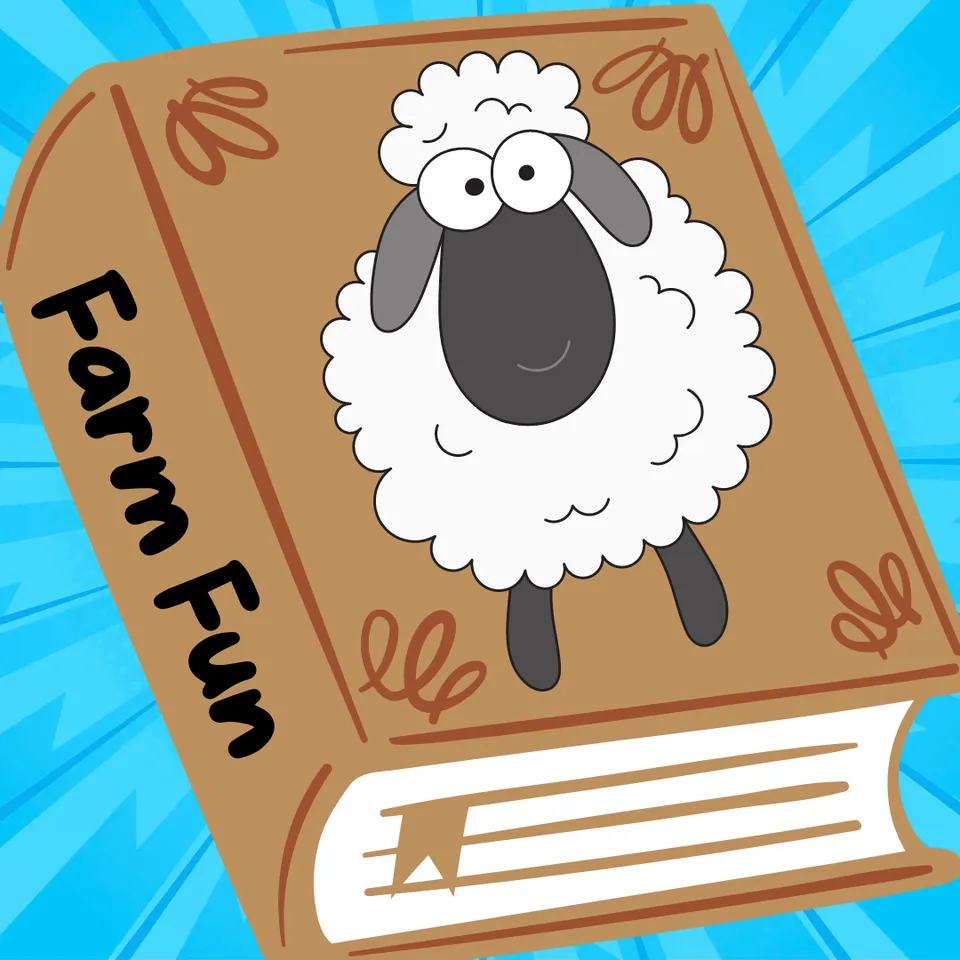
Ages 3–5 · 8 minutes · English
Build confidence with this silly farm fiction read along that uses -og words
In the Read Along activity, learners will:
- practice an enjoyable read along by taking turns with the teacher
- gain experience reading fiction text
- build reader confidence with common CVC words from Learn to Read 1-5
- read the complete short story independently
Some prior reading experience or Completion of Learn to Read 1-5 may be helpful.
Part of
Standards alignment
Common Core State Standards
- RF.K.4 — Read emergent-reader texts with purpose and understanding.
- RL.K.10 — Actively engage in group reading activities with purpose and understanding.
- RF.K.3.c — Read common high-frequency words by sight (e.g., the, of, to, you, she, my, is, are, do, does).
Alabama
- ELA21.K.10c — Decode consonant-vowel-consonant (CVC) words in isolation and in decodable text.
- ELA21.K.15 — Orally read and reread grade-appropriate decodable texts smoothly, accurately, and expressively, at an appropriate rate to support comprehension.
- ELA21.K.3 — Actively participate in teacher-led choral and shared reading experiences.
- ELA21.K.16 — Recognize and read grade-appropriate high-frequency words with accuracy and automaticity.
- ELA21.K.2 — Actively engage in teacher-led reading experiences and collaborative discussions with peers to build background knowledge needed to be successful as they learn to read and, later, read to learn.
Alaska
- RF.K.4 — Read emergent-reader texts with purpose and understanding.
- RL.K.10 — Actively engage in shared reading activities using literature from a variety of cultures with purpose and understanding, and scaffolding as needed.
- RF.K.3.c — Read common high-frequency words by sight. (e.g., the, of, to, you, she, my, is, are, do, does).
- RF.K.3 — Know and apply grade-level phonics and word analysis skills in decoding words.
Arizona
- K.RF.4 — Read emergent-reader texts with purpose and understanding.
- K.RF.3.b — Decode regularly spelled closed-syllable words.
- K.RF.3.c — Read 50 common high-frequency words by sight from a research-based word list.
- K.RL.10 — With prompting and support, actively engage in group reading activities with purpose and understanding.
Arkansas
- K.FR.22.F — Orally read texts consisting of previously taught grapheme-phoneme correspondences, self-correcting as necessary.
- K.FR.9.PD — Decode one-syllable words with single consonants and all short vowels (e.g., bag, sip, web, hog, cut).
- K.FR.12.PD — Read high-frequency words.
California
- RF.K.4 — Read emergent-reader texts with purpose and understanding.
- RL.K.10 — Actively engage in group reading activities with purpose and understanding.
- RF.K.3.c — Read common high-frequency words by sight (e.g., the, of, to, you, she, my, is, are, do, does).
- RF.K.3 — Know and apply grade-level phonics and word analysis skills in decoding words both in isolation and in text.
Colorado
- RWC20-GR.K-S.2-GLE.3-EO.b.vi — Read text consisting of short sentences comprised of learned sight words and consonant-vowel-consonant (CVC) words.
- RWC20-GR.K-S.2-GLE.3-EO.d — Read emergent-reader texts with purpose and understanding.
- RWC20-GR.K-S.2-GLE.1-EO.d.i — Actively engage in group reading activities with purpose and understanding.
- RWC20-GR.K-S.2-GLE.3-EO.c.iii — Read common high-frequency words by sight (for example: the, of, to, you, she, my, is, are, do, does).
- RWC20-GR.PS-S.2-GLE.1-EO.a — Show interest in shared reading experiences and looking at books independently.
Connecticut
- RF.K.4 — Read emergent-reader texts with purpose and understanding.
- RL.K.10 — Actively engage in group reading activities with purpose and understanding.
- RF.K.3 — Know and apply grade-level phonics and word analysis skills in decoding words.
- RF.K.3.c — Read common high-frequency words by sight (e.g., the, of, to, you, she, my, is, are, do, does).
Delaware
- RF.K.4 — Read emergent-reader texts with purpose and understanding.
- RL.K.10 — Actively engage in group reading activities with purpose and understanding.
- RF.K.3 — Know and apply grade-level phonics and word analysis skills in decoding words.
- RF.K.3.c — Read common high-frequency words by sight (e.g., the, of, to, you, she, my, is, are, do, does).
Florida
- ELA.K.F.1.3 — Use knowledge of grade-appropriate phonics and word-analysis skills to decode words accurately. • Demonstrate knowledge of the most frequent sound for each consonant. • Demonstrate knowledge of the short and long sounds for the five major vowels. • Decode consonant-vowel-consonant (CVC) words. • Encode consonant-vowel-consonant (CVC) words.
- ELA.K.F.1.4 — Recognize and read with automaticity grade-level high frequency words.
- ELA.K.F.1.1 — Demonstrate knowledge of the basic concepts of print. • Locate a printed word on a page. • Distinguish letters from words within sentences. • Match print to speech to demonstrate that language is represented by print. • Identify parts of a book (front cover, back cover, title page). • Move top to bottom and left to right on the printed page; returning to the beginning of the next line. • Identify all upper- and lowercase letters of the alphabet. • Recognize that print conveys specific meaning and pictures may support meaning.
Georgia
- ELAGSEKRF4 — Read common high-frequency words by sight. (e.g., the, of, to, you, she, my, is, are, do, does); read emergent-reader texts with purpose and understanding.
- ELAGSEKRL10 — Actively engage in group reading activities with purpose and understanding.
- ELAGSEKRF3 — Know and apply grade-level phonics and word analysis skills in decoding words.
Hawaii
- K.RF.4 — Read emergent-reader texts with purpose and understanding.
- K.RF.3c — Read common high-frequency words by sight (e.g., the, of, to, you, she, my, is, are, do, does).
- K.RL.10 — Actively engage in group reading activities with purpose and understanding.
- K.RF.3 — Know and apply grade-level phonics and word analysis skills in decoding words.
Idaho
- K.RC.RF.4 — Read emergent-reader texts (e.g., rhymes, songs, simple poems) with purpose and understanding.
- K.FR.PH.3 — Use knowledge of grade-level phonics and word analysis skills in decoding words.
- K.FR.PH.3c — Read common high-frequency words with automaticity by sight (e.g., the, of, to, you, she, my, is, are, do, does).
- K.FR.PH.3d — Distinguish between similarly spelled CVC words by identifying the sounds of the letters that differ.
Illinois
- RF.K.4 — Read emergent-reader texts with purpose and understanding.
- RL.K.10 — Actively engage in group reading activities with purpose and understanding.
- RF.K.3 — Know and apply grade-level phonics and word analysis skills in decoding words.
- RF.K.3.c — Read common high-frequency words by sight (e.g., the, of, to, you, she, my, is, are, do, does).
Indiana
- K.RF.9 — Orally read decodable texts with appropriate accuracy and automaticity.
- K.RF.8 — Use letter-sound knowledge to decode words, including open and closed syllables, consonant digraphs, and blends. (E)
Iowa
- RF.K.4 — Orally read grade-appropriate text with purpose and understanding.
- RL.K.10 — Actively engage in group reading activities with purpose and understanding.
- RF.K.3.c — Read common high-frequency words with accuracy and automaticity (e.g., the, of, to, you, she, my, is, are, do, does).
Kansas
- RF.K.4 — Read emergent-reader texts with purpose and understanding.
- RF.K.3 — Know and apply grade-level phonics and word analysis skills in decoding words.
- RF.K.3.c — Read common high-frequency words by sight (e.g., the, of, to, you, she, my, is, are, do, does).
- RL.K.13 — Listen to high quality prose and poetry of appropriate complexity for Kindergarten.
Kentucky
- RF.K.4.a — Read emergent-reader texts with purpose and understanding.
- RF.K.3 — Know and apply grade-level phonics and word analysis skills in decoding words.
- RF.K.3.c — Read common high-frequency words by sight.
- RF.K.4 — Read fluently (accuracy, speed and prosody) on grade-level to support comprehension.
Louisiana
- RF.K.4 — Read emergent-reader texts with purpose and understanding.
- RL.K.10 — Actively engage in group reading activities with purpose and understanding.
- RF.K.3 — Know and apply grade-level phonics and word analysis skills in decoding words.
- RF.K.3.c — Read common high-frequency words by sight (e.g., the, of, to, you, she, my, is, are, do, does).
Maine
- R.12.K.a — Read emergent-reader texts with purpose and understanding.
- R.3.K.c — Read common high-frequency words by sight (e.g., the, of, to, you, she, my, is, are, do, does).
- R.3.1.b — Decode regularly spelled one-syllable words.
Maryland
- RF.K.4 — Read emergent-reader texts with purpose and understanding.
- RF.K.3.c — Read common high-frequency words by sight (e.g., the, of, to, you, she, my, is, are, do, does).
- RF.PK.4 — Engage with a variety of texts (e.g., a variety of structures and/ or genres) with purpose and understanding.
- RL.PK.10 — Actively engage in group reading activities with purpose and understanding.
- RF.K.3 — Know and apply grade-level phonics and word analysis skills in decoding words.
Massachusetts
- RF.K.4 — Read early-emergent-reader texts with purpose and understanding.
- RL.K.10 — Actively engage in group reading activities with purpose and understanding.
- RF.K.3 — Know and apply grade-level phonics and word analysis skills in decoding words.
- RF.K.3.c — Read common high-frequency words by sight (e.g., the, of, to, you, she, my, is, are, do, does).
Michigan
- RF.K.4 — Read emergent-reader texts with purpose and understanding.
- RL.K.10 — Actively engage in group reading activities with purpose and understanding.
- RF.K.3 — Know and apply grade-level phonics and word analysis skills in decoding words.
- RF.K.3.c — Read common high-frequency words by sight (e.g., the, of, to, you, she, my, is, are, do, does).
Minnesota
- 0.1.1.2.a — Know and apply grade-level phonics and word analysis skills in decoding words: decode words using one-to-one letter sound correspondences in three-phoneme CVC words and knowledge of word families, demonstrating both accuracy and automaticity.
- 0.1.1.3 — Read decodable texts accurately, with guidance and support. (Decodable texts are those that include words taught in phonics lesson.)
- 0.1.1.2.b — Know and apply grade-level phonics and word analysis skills in decoding words: read high-frequency words, in and out of context, demonstrating both accuracy and automaticity.
Mississippi
- RF.K.4 — Read emergent-reader texts with purpose and understanding.
- RF.K.3.c — Read common high-frequency words by sight (e.g., the, of, to, you, she, my, is, are, do, does).
- RL.K.10 — Actively engage in group reading activities with purpose and understanding.
- RF.K.3 — Know and apply grade-level phonics and word analysis skills in decoding words.
Missouri
- K.RF.4.A — Read, with support, appropriate texts with purpose and understanding
- K.R.1.D.a — engaging with text as developmentally appropriate
- K.RF.3.A.b — reading high-frequency words
- K.RF.3.A.c — blending letter sounds to decode simple words
Montana
- RF.K.4 — Read emergent-reader texts with purpose and understanding.
- RL.K.10 — Actively engage in group reading activities with purpose and understanding.
- RF.K.3 — Know and apply grade-level phonics and word analysis skills in decoding words.
- RF.K.3.c — Read common high-frequency words by sight (e.g., the, of, to, you, she, my, is, are, do, does).
Nebraska
- LA.K.F.4 — Develop accuracy, phrasing, and expression/prosody while reading a variety of grade-level texts to support comprehension.
- LA.K.RP.8 — Actively engage in group reading activities with purpose and understanding.
- LA.K.F.4.b — Read decodable consonant-vowel-consonant (CVC) words with automaticity and accuracy.
- LA.K.F.4.c — Read grade level high-frequency words with automaticity and accuracy (e.g. Fry or Dolch words or those included in instructional materials).
Nevada
- RF.K.4 — Read emergent-reader texts with purpose and understanding.
- RF.K.3.c — Read common high-frequency words by sight (e.g., the, of, to, you, she, my, is, are, do, does).
- RL.K.10 — Actively engage in group reading activities with purpose and understanding.
- RF.K.3 — Know and apply grade-level phonics and word analysis skills in decoding words.
New Hampshire
- RF.K.4 — Read emergent-reader texts with purpose and understanding.
- RF.K.3.c — Read common high-frequency words by sight (e.g., the, of, to, you, she, my, is, are, do, does).
- RL.K.10 — Actively engage in group reading activities with purpose and understanding.
- RF.K.3 — Know and apply grade-level phonics and word analysis skills in decoding words.
New Jersey
- RF.K.4 — Read emergent texts with one-to-one correspondence to develop fluency and comprehension skills
- RF.K.4.a — Read emergent-readers with purpose and understanding.
- RF.K.3.c — Read high-frequency and sight words with automaticity.
- RL.K.10 — Actively engage in group reading activities with purpose and understanding.
New Mexico
- RF.K.4 — Read emergent-reader texts with purpose and understanding.
- RL.K.10 — Actively engage in group reading activities with purpose and understanding.
- RF.K.3 — Know and apply grade-level phonics and word analysis skills in decoding words.
- RF.K.3.c — Read common high-frequency words by sight (e.g., the, of, to, you, she, my, is, are, do, does).
New York
- KRF4 — Will engage with emergent level texts and read-alouds to demonstrate comprehension.
- PKRF4 — Displays emergent reading behaviors with purpose and understanding.
- KRF3b — Decode short vowel sounds with common spellings.
- KRF3c — Decode some regularly spelled one-syllable words.
- KRF3d — Read common high-frequency words by sight.
North Carolina
- RF.K.5 — Read emergent-reader texts with purpose and understanding.
- RL.K.10 — Actively engage in group reading activities with purpose and understanding.
- RF.K.4 — Know and apply grade-level phonics and word analysis skills in decoding words.
- RF.K.4.c — Read common high-frequency words by sight.
North Dakota
- K.F.8 — Decode words with phoneme-grapheme correspondences:
- K.F.8b — predictable short vowels spelled with a, i, o, u, e
- K.F.8d — irregularly spelled high-frequency words.
- K.R.8 — Use a variety of fiction texts.
Ohio
- RF.K.4 — Read emergent-reader texts with purpose and understanding.
- RF.K.3.c — Read common high-frequency words by sight (e.g., the, of, to, you, she, my, is, are, do, does).
- RL.K.10 — Actively engage in group reading activities with purpose and understanding. Activate prior knowledge and draw on previous experiences in order to make text-to-self or text-to-text connections and comparisons.
- RF.K.3 — Know and apply grade-level phonics and word analysis skills in decoding words.
Oklahoma
- K.8.R — Students will listen and respond to read-alouds, participate in shared reading, and interact independently with texts.
- PK.8.R — Students will listen and respond to read-alouds, participate in shared reading, and interact independently with texts.
- K.2.F.3 — Students will begin to develop a sight word vocabulary by decoding and reading regularly- and irregularly-spelled words in isolation and context with increasing automaticity.
- K.2.PWS.4 — Students will blend letter sounds to decode simple Vowel/Consonant (VC) and Consonant/Vowel/Consonant (CVC) words (e.g., VC words = at, in, up; CVC words = pat, hen, lot).
Oregon
- K.RF.4 — Read emergent texts to develop fluency and comprehension skills.
- K.RL.10 — Actively engage in group reading activities with purpose and understanding.
- K.RF.3c — Read common grade-appropriate high-frequency words by sight.
- K.RF.3e — Decode cvc words.
- K.RF.4a — Read emergent texts with one-to-one correspondence with purpose and understanding.
Pennsylvania
- CC.1.1.K.E — Read emergent-reader text with purpose and understanding.
- CC.1.3.PK.K — With prompting and support, actively engage in group reading activities with purpose and understanding.
- CC.1.1.K.D — Know and apply grade-level phonics and word analysis skills in decoding words. • Demonstrate basic knowledge of one-to-one letter-sound correspondence. • Associate the long and short sounds with common spellings for the five major vowels. • Read grade-level high-frequency sight words with automaticity. • Distinguish between similarly spelled words by identifying the sounds of the letters that differ.
- CC.1.1.PK.D — Develop beginning phonics and word skills. • Associate some letters with their names and sounds. • Identify familiar words and environmental print.
Rhode Island
- RF.K.4 — Read early-emergent-reader texts with purpose and understanding.
- RL.K.10 — Actively engage in group reading activities with purpose and understanding.
- RF.K.3 — Know and apply grade-level phonics and word analysis skills in decoding words.
- RF.K.3.c — Read common high-frequency words by sight (e.g., the, of, to, you, she, my, is, are, do, does).
South Carolina
- ELA.K.F.4.2 — Read texts orally with accuracy and expression.
- ELA.K.F.3.5 — Blend letter sounds to decode vowel-consonant (VC) and consonant-vowel-consonant (CVC) words in isolation and in text.
- ELA.K.F.4 — Read and reread grade-appropriate texts with accuracy and expression at an appropriate rate to support comprehension. (FK -1.3-2.18 LF BR-430)
- ELA.K.F.4.1 — Read high-frequency words commonly found in grade-appropriate text with accuracy and automaticity.
- ELA.K.F.4.3 — Read texts by: a. using letter-sound knowledge to segment and blend sounds together; b. decoding the word by analogy; and c. using visuals from the text to support decoding and confirm recognition.
South Dakota
- K.RF.3.c — Read grade-level appropriate high-frequency words by sight.
- K.RF.4 — Read emergent-reader texts with sufficient accuracy and fluency to support comprehension
- K.RF.4.a — Read grade-level text with purpose and understanding.
- K.RF.4.b — Read grade-level text orally with accuracy, appropriate rate, and prosody (stress, phrasing, intonation and expression) on consecutive readings
- K.RL.10.a — With prompting and support, read and comprehend proficiently at grade level with increasing challenge in text difficultly and complexity (e.g., layout, text structure, language/literary features, knowledge demands.)
Tennessee
- K.FL.F.5.a — Read emergent-reader texts with purpose and understanding.
- K.RL.RRTC.10 — With prompting and support, read stories and poems of appropriate complexity for Kindergarten.
- K.FL.PWR.3.c — Read common high-frequency words by sight.
- K.FL.PWR.3.d — Decode regularly spelled CVC words.
Texas
- K.2B.ii — using letter-sound relationships to decode, including VC, CVC, CCVC, and CVCC words;
- K.2B.iv — identifying and reading at least 25 high-frequency words from a research-based list;
Utah
- K.R.4 — Read grade-level text* with accuracy and fluency to support comprehension. (RL & RI)
- K.R.3.d — Demonstrate mastery of segmenting and blending sounds in VC and CVC words when reading.
- P4.R.1.b — Begin to identify frequently seen letters and words, recognizing that words are made up of letters.
Vermont
- RF.K.4 — Read emergent-reader texts with purpose and understanding.
- RL.K.10 — Actively engage in group reading activities with purpose and understanding.
- RF.K.3 — Know and apply grade-level phonics and word analysis skills in decoding words.
- RF.K.3.c — Read common high-frequency words by sight (e.g., the, of, to, you, she, my, is, are, do, does).
Virginia
- K.DSR.1.A — Use knowledge of letter-sound correspondences to read and reread controlled decodable sentences and texts that include phonic elements and irregular words (Reading Fluency, K-12).
- K.FFR.3.F — Demonstrate knowledge of letter-sound correspondences to blend CV, CVC, VC words.
- K.FFR.3.H — Use letter-sound correspondences to read grade-level high frequency words, including decodable and irregular words, with automaticity and accuracy.
- K.C.2.C — Participate in a variety of oral language activities, including choral speaking and recitation of short poems, rhymes, songs, and stories with repeated patterns and refrains.
Washington
- RF.K.4 — Read emergent-reader texts with purpose and understanding.
- RL.K.10 — Actively engage in group reading activities with purpose and understanding.
- RF.K.3 — Know and apply grade-level phonics and word analysis skills in decoding words.
- RF.K.3.c — Read common high-frequency words by sight (e.g., the, of, to, you, she, my, is, are, do, does).
Washington, D.C.
- RF.K.4 — Read emergent-reader texts with purpose and understanding.
- RL.K.10 — Actively engage in group reading activities with purpose and understanding.
- RF.K.3.c — Read common high-frequency words by sight (e.g., the, of, to, you, she, my, is, are, do, does).
West Virginia
- ELA.K.18 — Actively engage in group reading activities of literary texts with purpose and understanding.
- ELA.K.I — Read emergent-reader texts with purpose and understanding.
- ELA.K.II.c — Read common high-frequency words by sight (e.g., the, of, to, you, she, my, is, are, do, or does).
- ELA.PK.FR.BA.1 — Show interest in shared reading and looking at books independently.
Wisconsin
- ELA.K.RF.4 — Read emergent-reader texts with purpose and understanding.
- ELA.K.RF.3 — Know and apply grade-level phonics and word analysis skills in decoding words.
- ELA.K.RF.3.c — Read common high-frequency words by sight (e.g., the, of, to, you, she, my, is, are, do, does).
- ELA.K.SL.1.a — Follow agreed-upon norms and participate by actively listening, taking turns, and staying on topic.
Wyoming
- RF.K.4 — Read emergent-reader texts with purpose and understanding.
- RL.K.10 — Actively engage in group reading activities with purpose and understanding.
- RF.K.3 — Know and apply grade-level phonics and word analysis skills in decoding words.
- RF.K.3.c — Read common high-frequency words by sight (e.g., the, of, to, you, she, my, is, are, do, does).