King Midas
Ages 6–10 · 11 minutes · English, Stories
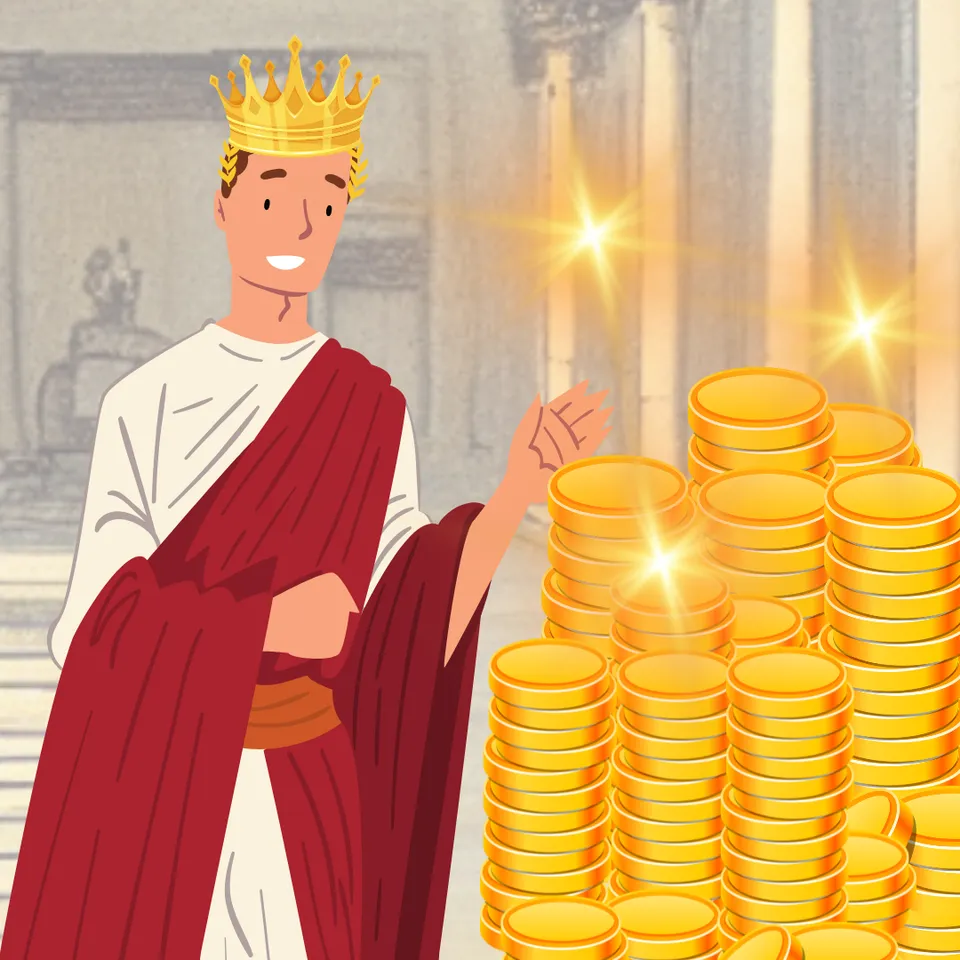
King Midas can turn everything he touches into gold. Is it a gift or a curse?
In this story, kids will learn about King Midas, a man who gets the power to turn all he touches into gold. He learns the difference between greed and gratitude the hard way.
Part of
Standards alignment
Common Core State Standards
- RL.2.3 — Describe how characters in a story respond to major events and challenges.
- RL.3.2 — Recount stories, including fables, folktales, and myths from diverse cultures; determine the central message, lesson, or moral and explain how it is conveyed through key details in the text.
- SL.1.2 — Ask and answer questions about key details in a text read aloud or information presented orally or through other media.
- ELD-SI.K-3.Narrate — Multilingual learners will… • Share ideas about one's own and others' lived experiences and previous learning • Connect stories with images and representations to add meaning • Ask questions about what others have shared • Recount and restate ideas • Discuss how stories might end or next steps
- RL.2.2 — Recount stories, including fables and folktales from diverse cultures, and determine their central message, lesson, or moral.
- RL.3.3 — Describe characters in a story (e.g., their traits, motivations, or feelings) and explain how their actions contribute to the sequence of events.
Alabama
- ELA21.2.35 — Demonstrate listening skills and build background knowledge by asking and answering questions about texts read aloud.
- ELA21.2.23e — Identify the theme in myths, fables, and folktales.
- ELA21.3.22c — Identify the central message, theme, or moral in a story, including myths, fables, and folktales, and explain the meaning conveyed in the passage.
- ELA21.2.23d — Identify the central message or moral of a story.
Alaska
- RL.2.1 — Ask and answer such questions as who, what, where, when, why, and how to demonstrate understanding of a literary text using key details from the text.
- RL.2.2 — Retell stories, including fables and folktales from diverse cultures, and determine the author's purpose (e.g., teach a lesson, make you laugh, tell a scary story, describe an imaginary place), lesson or moral.
- RL.2.3 — Describe how characters in a story, play or poem respond to major events, problems, and challenges.
- RL.3.3 — Describe characters in a story (e.g., their traits, motivations, or feelings) and explain how their actions contribute to the sequence of events (e.g., creating or solving a problem).
- SL.2.2 — Retell or describe key ideas or details from a text read aloud or information presented orally or through other media.
Arizona
- 3.RL.2 * — Recount and paraphrase stories, including fables, folktales, and myths from diverse cultures; determine the central message, lesson, or moral and explain how it is conveyed through key details in text.
- 1.SL.2 — Ask and answer questions about key details in a text read aloud or information presented orally or through other media.
- 2.RL.1 — Ask and answer such questions as who, what, where, when, why, and how to demonstrate understanding of key details in a text.
- 2.RL.2 — Recount stories, including fables and folktales from diverse cultures, and determine their central message, lesson, or moral.
- 3.RL.3 — Describe characters in a story (e.g., their traits, motivations, or feelings) and explain how their actions contribute to the sequence of events.
Arkansas
- 2.RC.2.RF — Answer questions about key details in a text.
- 2.RC.5.RF — Use background knowledge and details, including illustrations, charts, and graphs, to make predictions and inferences about what happens in a text.
- 2.RC.4.RF — Build general and academic vocabulary and background knowledge of age and grade-appropriate topics through discussion, reading, and writing.
- 2.RC.6.RF — Demonstrate reading comprehension of age and grade-appropriate texts by speaking or writing.
- 3.RC.7.RL — Describe how characters respond to major events and challenges.
California
- RL.3.2 — Recount stories, including fables, folktales, and myths from diverse cultures; determine the central message, lesson, or moral and explain how it is conveyed through key details in the text.
- RL.1.1 — Ask and answer questions about key details in a text.
- RL.1.10.b — Confirm predictions about what will happen next in a text.
- RL.2.2 — Recount stories, including fables and folktales from diverse cultures, and determine their central message, lesson, or moral.
- RL.2.3 — Describe how characters in a story respond to major events and challenges.
Colorado
- RWC20-GR.3-S.2-GLE.1-EO.a.iii — Recount stories, including fables, folktales, and myths from diverse cultures; determine the central message, lesson, or moral and explain how it is conveyed through key details in the text.
- RWC20-GR.1-S.1-GLE.1-EO.b — Ask and answer questions about key details in a text read aloud or information presented orally or through other media.
- RWC20-GR.2-S.2-GLE.1-EO.a.iii — Recount stories, including fables and folktales from diverse cultures, and determine their central message, lesson, or moral.
- RWC20-GR.2-S.2-GLE.1-EO.a.iv — Describe how characters in a story respond to major events and challenges.
Connecticut
- RL.2.1 — Ask and answer such questions as who, what, where, when, why, and how to demonstrate understanding of key details in a text.
- RL.2.3 — Describe how characters in a story respond to major events and challenges.
- RL.3.2 — Recount stories, including fables, folktales, and myths from diverse cultures; determine the central message, lesson, or moral and explain how it is conveyed through key details in the text.
- RL.2.2 — Recount stories, including fables and folktales from diverse cultures, and determine their central message, lesson, or moral.
- RL.3.3 — Describe characters in a story (e.g., their traits, motivations, or feelings) and explain how their actions contribute to the sequence of events.
- SL.1.2 — Ask and answer questions about key details in a text read aloud or information presented orally or through other media.
Delaware
- RL.2.3 — Describe how characters in a story respond to major events and challenges.
- RL.3.2 — Recount stories, including fables, folktales, and myths from diverse cultures; determine the central message, lesson, or moral and explain how it is conveyed through key details in the text.
- RL.2.1 — Ask and answer such questions as who, what, where, when, why, and how to demonstrate understanding of key details in a text.
- RL.2.2 — Recount stories, including fables and folktales from diverse cultures, and determine their central message, lesson, or moral.
- SL.1.2 — Ask and answer questions about key details in a text read aloud or information presented orally or through other media.
Florida
- ELA.1.R.1.2 — Identify and explain the moral of a story.
- ELA.1.R.1.1 — Identify and describe the main story elements in a story.
- SS.K.A.2.4 — Listen to and retell stories about people in the past who have shown character ideals and principles including honesty, courage, and responsibility.
Georgia
- ELAGSE1SL2 — Ask and answer questions about key details in a text read aloud or information presented orally or through other media.
- ELAGSE2RL1 — Ask and answer such questions as who, what, where, when, why, and how to demonstrate understanding of key details in a text.
- ELAGSE3RL2 — Recount stories, including fables, folktales, and myths from diverse cultures; determine the central message, lesson, or moral and explain how it is conveyed through key details in the text.
- ELAGSE2RL2 — Recount stories, including fables and folktales from diverse cultures, and determine their central message, lesson, or moral.
Hawaii
- 1.SL.2 — Ask and answer questions about key details in a text read aloud or information presented orally or through other media.
- 2.RL.3 — Describe how characters in a story respond to major events and challenges.
- 3.RL.2 — Recount stories, including fables, folktales, and myths from diverse cultures; determine the central message, lesson, or moral and explain how it is conveyed through key details in the text.
- 1.RL.1 — Ask and answer questions about key details in a text.
- 2.RL.2 — Recount stories, including fables and folktales from diverse cultures, and determine their central message, lesson, or moral.
Idaho
- 2.RC.L.5a — Identify the central message, lesson, or moral of stories (including fables and folktales) from diverse cultures heard or read.
- 2.RC.L.5b — Describe how characters in stories heard or read respond to major events and challenges.
- 2.RC.TE.3 — Ask and answer such questions as who, what, where, when, why, and how to demonstrate understanding of key details in grade-level texts heard or read.
- 1.RC.TE.3 — Ask and answer questions about key details in texts heard or read.
- 3.RC.L.5a — Describe key details from stories (including folktales, fables, and tall tales) from diverse cultures and explain how they support the central lesson, moral, or theme.
Illinois
- RL.2.3 — Describe how characters in a story respond to major events and challenges.
- RL.3.2 — Recount stories, including fables, folktales, and myths from diverse cultures; determine the central message, lesson, or moral and explain how it is conveyed through key details in the text.
- RL.2.1 — Ask and answer such questions as who, what, where, when, why, and how to demonstrate understanding of key details in a text.
- RL.2.2 — Recount stories, including fables and folktales from diverse cultures, and determine their central message, lesson, or moral.
- SL.1.2 — Ask and answer questions about key details in a text read aloud or information presented orally or through other media.
Indiana
- 1.RC.4 — Make and confirm predictions about what will happen next in a story.
- 2.RC.2 — Recount the beginning, middle, and ending of stories, including fables and folktales from diverse cultures, and determine their central message, lesson, or moral.
- 2.RC.3 — Describe how characters in a story respond to major events and how characters affect the plot.
- 2.RC.1 — Ask and answer questions about the main idea and key details in a text to demonstrate comprehension. (E)
- 3.RC.3 — Describe characters in a story (e.g., their traits, motivations, or feelings), and explain how their actions contribute to the plot.
Iowa
- RL.3.2 — Recount and determine the central message, lesson, or moral of fables, folktales, and myths from diverse cultures and explain how it is conveyed through key details in the text.
- RL.3.3 — Describe characters in a story (e.g., their traits, motivations, or feelings) and explain how their actions contribute to the sequence of events.
- RL.2.1 — Ask and answer such questions as who, what, where, when, why, and how to demonstrate understanding of key details using evidence from the text.
- RL.2.2 — Recount and determine the central message, lesson or moral of stories, including but not limited to fables and folktales from diverse cultures.
- RL.2.7 — Use information gained from the illustrations and words in a story to demonstrate understanding of its characters, setting, or plot.
Kansas
- RL.2.1 — Ask and answer such questions as who, what, where, when, why, and how to demonstrate understanding of key details in a text.
- RL.3.2 — Recount stories, including fables, folktales, and myths from diverse cultures; determine the central message, lesson, or moral and explain how it is conveyed through key details in the text.
- RL.3.3 — Describe characters in a story (e.g., their traits, motivations, or feelings) and explain how their actions contribute to the sequence of events.
- RL.2.2 — Recount stories, including fables and folktales from diverse cultures, and determine their central message, lesson, or moral.
- RL.2.7 — Use information gained from the illustrations and words in a print or digital text to demonstrate understanding of its characters, setting, or plot.
Kentucky
- RL.3.1 — Ask and answer questions, and make and support logical inferences to construct meaning from the text.
- RL.2.3 — Describe how characters in a story respond to major events and challenges in order to make meaning of the story development.
- RL.3.2 — Identify and cite relevant implicit and explicit information from a summary to determine the theme, lesson learned and/or moral, including but not limited to fables, folktales and myths from diverse cultures.
- RL.3.3 — Describe characters in a story, including but not limited to their traits, motivations, actions or feelings, and how they affect the plot.
- RL.2.7 — Use a story’s illustrations and words in print/non-print texts to demonstrate understanding of characters, setting and plot.
Louisiana
- RL.2.3 — Describe how characters in a story respond to major events and challenges.
- RL.3.2 — Recount stories, including fables, folktales, and myths from diverse cultures; determine the central message, lesson, or moral and explain how it is conveyed through key details in the text.
- RL.2.1 — Ask and answer such questions as who, what, where, when, why, and how to demonstrate understanding of key details in a text.
- SL.1.2 — Ask and answer questions about key details in a text read aloud or information presented orally or through other media.
Maine
- R.6.2.a — Describe how characters in a story respond to major events and challenges.
- SL.2.1.a — Ask and answer questions about key details in a text read aloud or information presented orally or through other media.
- R.4.2.a — Ask and answer questions about who, what, when, where, how and why.
- R.6.2.b — Describe the relationship between a series of events, ideas or concepts, using language that pertains to time, sequence, and cause/effect.
Maryland
- RL.3.2 — Recount stories, including fables, folktales, and myths from diverse cultures; determine the central message, lesson, or moral and explain how it is conveyed through key details in the text.
- RL.2.1 — Ask and answer such questions as who, what, where, when, why, and how to demonstrate understanding of key details in a text.
- RL.2.2 — Recount stories, including fables and folktales from diverse cultures, and determine their central message, lesson, or moral.
- RL.2.3 — Describe how characters in a story respond to major events and challenges.
Massachusetts
- RL.3.2 — Retell stories, including fables, folktales, and myths from diverse cultures; determine the central message, lesson, or moral and explain how it is conveyed through key details in the text.
- RL.2.2 — Retell stories, including fables and folktales from diverse cultures, and determine their central message, lesson, or moral.
- RL.2.3 — Describe how characters in a story respond to major events and challenges.
Michigan
- RL.2.3 — Describe how characters in a story respond to major events and challenges.
- RL.3.2 — Recount stories, including fables, folktales, and myths from diverse cultures; determine the central message, lesson, or moral and explain how it is conveyed through key details in the text.
- RL.2.1 — Ask and answer such questions as who, what, where, when, why, and how to demonstrate understanding of key details in a text.
- RL.2.2 — Recount stories, including fables and folktales from diverse cultures, and determine their central message, lesson, or moral.
- SL.1.2 — Ask and answer questions about key details in a text read aloud or information presented orally or through other media.
Minnesota
- 2.1.4.1 — Ask and answer questions including who, what, where, when, why and how to demonstrate understanding of key details in a text; recount the
- 2.1.4.2 — Identify the central idea, message, or moral of a text and one or two supporting details.
- 2.1.4.3 — Identify characters, setting, conflict, resolution and events in literary text.
- 3.1.4.2 — Identify the central idea or argument in fables, folktales, and myths, explain how it is supported by key details, and describe the connection between details.
Mississippi
- RL.2.3 — Describe how characters in a story respond to major events and challenges.
- RL.3.2 — Recount stories, including fables, folktales, and myths from diverse cultures; determine the central message, lesson, or moral and explain how it is conveyed through key details in the text.
- SL.1.2 — Ask and answer questions about key details in a text read aloud or information presented orally or through other media.
- RL.2.2 — Recount stories, including fables and folktales from diverse cultures, and determine their central message, lesson, or moral.
Missouri
- K.R.1.A.b — asking and responding to questions about texts read aloud
- 2.R.2.A.a — describe the setting, problems, solutions, sequence of events (plot), and big idea or moral lesson
- K.R.1.A.a — predicting what might happen next in a text based on the cover, title, and illustrations
- K.R.2.A.a — identify elements of a story, including setting, character, and key events
Montana
- RL.2.3 — Describe how characters in a story respond to major events and challenges.
- RL.3.2 — Recount stories, including fables, folktales, and myths from diverse cultures, including those by and about American Indians; determine the central message, lesson, or moral; and explain how it is conveyed through key details in the text.
- RL.3.3 — Describe characters in a story (e.g., their traits, motivations, or feelings) and explain how their actions contribute to the sequence of events.
- SL.1.2 — Ask and answer questions about key details in a text read aloud or information presented orally or through other media.
Nebraska
- LA.2.RP.1 — Recount narratives and determine their central message, lesson, or moral.
- LA.1.RP.6 — Ask and answer questions about key details in a literary text.
- LA.2.V.2.a — Ask and answer questions about key words and phrases to determine their meaning.
- LA.3.RP.2 — Explain how characters respond to major events and challenges in a literary text.
Nevada
- RL.2.2 — Recount stories, including fables and folktales from diverse cultures, and determine their central message, lesson, or moral.
- RL.2.3 — Describe how characters in a story respond to major events and challenges.
- RL.3.2 — Recount stories, including fables, folktales, and myths from diverse cultures; determine the central message, lesson, or moral and explain how it is conveyed through key details in the text.
- RL.3.3 — Describe characters in a story (e.g., their traits, motivations, or feelings) and explain how their actions contribute to the sequence of events.
- SL.1.2 — Ask and answer questions about key details in a text read aloud or information presented orally or through other media.
New Hampshire
- RL.2.3 — Describe how characters in a story respond to major events and challenges.
- RL.3.2 — Recount stories, including fables, folktales, and myths from diverse cultures; determine the central message, lesson, or moral and explain how it is conveyed through key details in the text.
- RL.1.1 — Ask and answer questions about key details in a text.
- RL.2.2 — Recount stories, including fables and folktales from diverse cultures, and determine their central message, lesson, or moral.
- RL.3.3 — Describe characters in a story (e.g., their traits, motivations, or feelings) and explain how their actions contribute to the sequence of events.
New Jersey
- RL.2.2 — Recount stories, including fables and folktales from diverse cultures, and determine their central message/theme, lesson, or moral.
- RL.2.3 — Describe how characters in a story respond to major events and challenges using key details.
- RL.2.1 — Ask and answer such questions as who, what, where, when, why, and how to demonstrate understanding of key details in a text.
- RL.3.2 — Recount stories, including fables, folktales, and myths from diverse cultures; determine the central message/theme, lesson, or moral and explain how it is revealed through key details in the text.
- SL.1.2 — Ask and answer questions about key details in a text read aloud or information presented orally or through other media.
New Mexico
- RL.3.2 — Recount stories, including fables, folktales, and myths from diverse cultures; determine the central message, lesson, or moral and explain how it is conveyed through key details in the text.
- RL.3.3 — Describe characters in a story (e.g., their traits, motivations, or feelings) and explain how their actions contribute to the sequence of events.
- RL.3.NM.1 — Ask and answer questions and make predictions to demonstrate understanding of a text;
- RL.1.NM.2 — Identify characters and simple story lines from selected myths and stories from around the world.
- RL.2.2 — Recount stories, including fables and folktales from diverse cultures, and determine their central message, lesson, or moral.
- SL.1.2 — Ask and answer questions about key details in a text read aloud or information presented orally or through other media.
New York
- 2R1 — Develop and answer questions to demonstrate an understanding of key ideas and details in a text. (RI&RL)
- 2R3 — In literary texts, describe how characters respond to major events and challenges. (RL) In informational texts, describe the connections between ideas, concepts, or a series of events. (RI)
- 2R7 — Demonstrate understanding of story elements and/or topics by applying information gained from illustrations or text features. (RI&RL)
- 3.4a — People in world communities use legends, folktales, oral histories, biographies, and historical narratives to transmit cultural histories from one generation to the next.
North Carolina
- RL.2.1 — Ask and answer such questions as who, what, where, when, why, and how to demonstrate understanding of key details in a text.
- RL.2.2 — Recount stories, including fables and folktales from diverse cultures, and determine their central message, lesson, or moral.
- RL.3.2 — Recount stories, including fables, folktales, and myths from diverse cultures; determine the central message, lesson, or moral and explain how it is conveyed through key details in the text.
- RL.2.3 — Describe how characters in a story respond to major events and challenges.
- RL.2.7 — Use information gained from the illustrations and words in a print or digital text to demonstrate understanding of its characters, setting, or plot.
North Dakota
- 2.R.8a — Describe characters' feelings or traits during or after listening to a story.
- 1.R.8a — Identify characters' feelings or traits in a story, poem,or nursery rhyme during or after a shared reading or other text-listening experience.
- 3.R.8a — Describe characters' feelings, traits, motivations, and actions after reading a story.
Ohio
- RL.1.1 — Ask and answer questions about key details in a text.
- RL.2.2.a — Determine the lesson or moral.
- RL.2.3 — Describe how characters in a story respond to major events and challenges.
- RL.1.3 — Describe characters, settings, and major events in a story, using key details.
- SL.2.2 — Retell or describe key ideas or details from a text read aloud or information presented in various media and other formats (e.g., orally)
Oklahoma
- PK.3.R.2 — Students will answer basic questions (e.g., who, what, where, and when) about texts, photographs, or illustrations during shared reading or other text experiences with prompting.
- PK.4.R.3 — Students will begin to acquire new vocabulary and relate new words to prior knowledge.
- PK.8.R — Students will listen and respond to read-alouds, participate in shared reading, and interact independently with texts.
Oregon
- 2.RL.3 — Describe how characters in a story respond to major events and challenges, including identifying the characters' feelings, the plot or problem, and how it is resolved.
- 1.SL.2 — Ask and answer questions about key details in a text read aloud or information presented orally or through other media.
- 2.RL.1 — Ask and answer such questions as who, what, where, when, why, and how to demonstrate understanding of key details in a text.
- 3.RL.2 — Recount and summarize stories, including fables, folktales, and myths from diverse cultures; determine the central message, lesson, or moral, and explain how it is conveyed through key details in the text.
Pennsylvania
- CC.1.3.2.A — Recount stories and determine their central message, lesson, or moral.
- CC.1.3.2.B — Ask and answer questions such as who, what, where, when, why, and how to demonstrate understanding of key details in a text.
- CC.1.3.1.A — Retell stories, including key details, and demonstrate understanding of their central message or lesson.
- CC.1.3.2.C — Describe how characters in a story respond to major events and challenges.
Rhode Island
- RL.2.3 — Describe how characters in a story respond to major events and challenges.
- RL.3.2 — Retell stories, including fables, folktales, and myths from diverse cultures, determine the central message, lesson, or moral and explain how it is conveyed through key details in a text.
- RL.2.2 — Retell stories, including fables and folktales from diverse cultures, and determine their central message, lesson, or moral.
- SL.1.2 — Ask and answer questions about key details in a text read aloud or information presented orally or through other media.
South Carolina
- ELA.1.AOR.2.1 — Retell a story using main story elements and identify a lesson in a literary text.
- ELA.2.AOR.2.1 — Identify and explain an explicit theme in a literary text.
South Dakota
- 2.RL.2 — Retell stories, those from diverse cultures, and determine their central message/theme, lesson, or moral
- 2.RL.3 — Describe how characters in a story respond to major events and challenges.
- 1.SL.2 — Ask and answer questions about key details in a text read aloud, information presented orally, or through other media.
Tennessee
- 2.RL.KID.1 — Ask and answer such questions as who, what, where, when, why, and how to demonstrate understanding of key details in a text.
- 2.RL.KID.3 — Describe how characters in a story respond to major events and challenges.
- 3.RL.KID.2 — Recount stories, including fables, folktales, and myths from diverse cultures; determine the central message, lesson, or moral and explain how it is conveyed through key details in the text.
- 2.RL.KID.2 — Recount stories, including fables and folktales from diverse cultures, and determine their central message, lesson, or moral.
- 3.RL.KID.1 — Ask and answer questions to demonstrate understanding of a text, referring explicitly to the text as a basis for the answers.
Texas
- 2.8C — describe and understand plot elements, including the main events, the conflict, and the resolution, for texts read aloud and independently; and
- 3.7G — discuss specific ideas in the text that are important to the meaning.
- 4.8B — explain the interactions of the characters and the changes they undergo;
- 3.9A — demonstrate knowledge of distinguishing characteristics of well-known children's literature such as folktales, fables, fairy tales, legends, and myths;
Utah
- 1.2.1.g — Predict possible consequences for a variety of actions.
- 1.R.7 — Describe characters, settings, and important events in a story (RL) or pieces of information in a text. (RI)
- 1.4.2.b — Describe why wanting more than a person can have requires a person to make choices.
Vermont
- RL.3.2 — Recount stories, including fables, folktales, and myths from diverse cultures; determine the central message, lesson, or moral and explain how it is conveyed through key details in the text.
- RL.2.1 — Ask and answer such questions as who, what, where, when, why, and how to demonstrate understanding of key details in a text.
- RL.2.2 — Recount stories, including fables and folktales from diverse cultures, and determine their central message, lesson, or moral.
- RL.2.3 — Describe how characters in a story respond to major events and challenges.
- SL.1.2 — Ask and answer questions about key details in a text read aloud or information presented orally or through other media.
Virginia
- 2.RL.1.C — Describe character’s attributes (e.g., traits, motivations, or feelings) and how they respond to major events and challenges.
- 2.RL.1.D — Generate predictions about story characters and events using the text.
- 3.RL.1.A — Identify thematic topics of stories (e.g. friendship, survival, determination) and the lessons learned.
- K.RL.1.A — With prompting and support, activate prior (experience) and background (content) knowledge and make connections to what is read.
Washington
- RL.2.2 — Recount stories, including fables and folktales from diverse cultures, and determine their central message, lesson, or moral.
- RL.3.2 — Recount stories, including fables, folktales, and myths from diverse cultures; determine the central message, lesson, or moral and explain how it is conveyed through key details in the text.
- RL.2.3 — Describe how characters in a story respond to major events and challenges.
- RL.3.3 — Describe characters in a story (e.g., their traits, motivations, or feelings) and explain how their actions contribute to the sequence of events.
- SL.1.2 — Ask and answer questions about key details in a text read aloud or information presented orally or through other media.
Washington, D.C.
- RL.2.3 — Describe how characters in a story respond to major events and challenges.
- RL.3.2 — Recount stories, including fables, folktales, and myths from diverse cultures; determine the central message, lesson, or moral and explain how it is conveyed through key details in the text.
- RL.2.1 — Ask and answer such questions as who, what, where, when, why, and how to demonstrate understanding of key details in a text.
- RL.2.2 — Recount stories, including fables and folktales from diverse cultures, and determine their central message, lesson, or moral.
- SL.1.2 — Ask and answer questions about key details in a text read aloud or information presented orally or through other media.
West Virginia
- ELA.3.1 — Ask and answer questions to demonstrate understanding of a literary text, referring explicitly to the text as the basis for the answers.
- ELA.3.2 — Recount stories, including fables, folktales, and myths from diverse cultures; determine the central message, lesson, or moral and explain how it is conveyed through key details in the literary text.
- ELA.3.3 — Describe characters in a literary story (e.g., their traits, motivations, or feelings) and explain how their actions contribute to the sequence of events.
- ELA.2.3 — Describe how characters in a story respond to major events and challenges in literary text.
- ELA.2.2 — Recount stories, including fables and folktales from diverse cultures and determine their central message, lesson, or moral in literary text.
Wisconsin
- ELA.1.R.3 — Describe characters, settings, and important events in a story or pieces of information in a text. (RI&RL)
- ELA.1.SL.2 — Ask and answer questions about key details in a text read aloud or information presented orally or through other media.
- ELA.2.R.3 — Describe how characters respond to major events and challenges. (RL) Describe the connections between ideas, concepts, or a series of events. (RI)
- ELA.2.R.7 — Demonstrate understanding of story elements and/or topics by applying information gained from illustrations or text features. (RI&RL)
- ELA.3.R.3 — Describe a character (traits, motivations, and/or feelings) drawing on specific details from the text. (RL) Describe the relationship among a series of events, ideas, concepts, or steps in a text, using language that pertains to time, sequence, and cause/effect. (RI)
Wyoming
- RL.2.2 — Recount stories, including fables and folktales from diverse cultures, and determine their central message, lesson, or moral.
- RL.2.3 — Describe how characters in a story respond to major events and challenges.
- RL.3.2 — Recount stories, including fables, folktales, and myths from diverse cultures; determine the central message, lesson, or moral and explain how it is conveyed through key details in the text.
- SL.1.2 — Ask and answer questions about key details in a text read aloud or information presented orally or through other media.
- RL.3.3 — Describe characters in a story (e.g., their traits, motivations, or feelings) and explain how their actions contribute to the sequence of events.