Intro to Poetry: Repetition
Ages 5–8 · 8 minutes · English
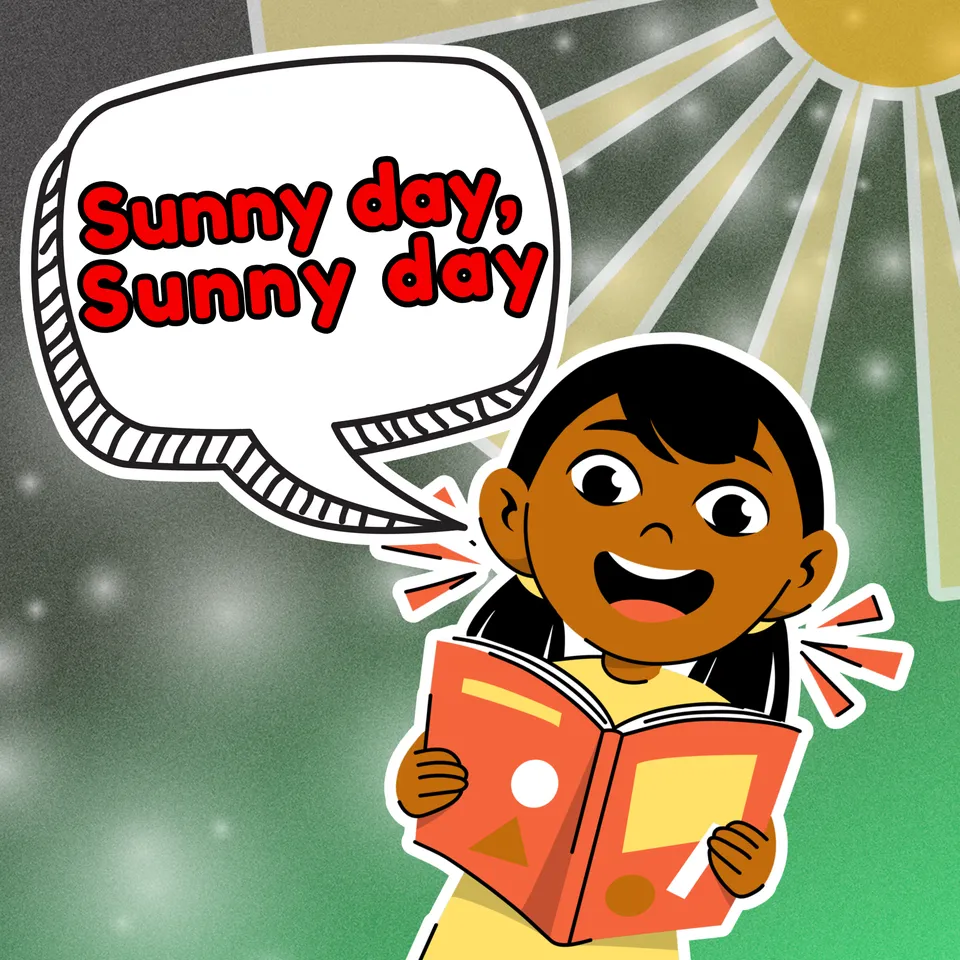
Hooray, hooray! Learn about repetition in poems.
In this lesson, students will learn to identify examples of repetition in poems and songs, as well as learn about why repetition is important to poems.
Part of
Standards alignment
Common Core State Standards
- RL.2.4 — Describe how words and phrases (e.g., regular beats, alliteration, rhymes, repeated lines) supply rhythm and meaning in a story, poem, or song.
- RL.1.4 — Identify words and phrases in stories or poems that suggest feelings or appeal to the senses.
Alabama
- ELA21.2.35 — Demonstrate listening skills and build background knowledge by asking and answering questions about texts read aloud.
- ELA21.3.27 — Read prose, poetry, and dramas, identifying the literary devices used by the author to convey meaning.
- ELA21.K.3 — Actively participate in teacher-led choral and shared reading experiences.
Alaska
- RL.2.4 — Identify words and phrases that supply rhythm or sensory images and meaning in a story, poem, or song (e.g., regular beats, alliteration, rhymes, repeated lines) and describe how they make a reader feel or what a reader might see in his or her mind.
- RL.1.2 — Retell stories, using key details, and demonstrate understanding their message (e.g., teach a lesson, make you laugh, tell a scary story, tell about an event) or lesson.
Arizona
- 2.RL.4 — Describe how words and phrases supply rhythm (e.g., regular beats, alliteration, rhymes, repeated lines) and meaning in a story, poem, or song.
- 2.SL.2 — Recount or describe key ideas or details from a text read aloud or information presented orally or through other media.
Arkansas
- K.RC.2.RF — Answer questions about key details in a text.
- K.RC.4.RF — Build general and academic vocabulary and background knowledge of age and grade-appropriate topics through discussion, reading, and writing.
- 1.CC.2.OL — Ask and answer questions orally about what a speaker says to gather additional information and clarify understanding.
- K.V.2 — Use sentence-level clues to identify the meaning of a word or phrase during read-aloud instruction.
California
- RL.2.4 — Describe how words and phrases (e.g., regular beats, alliteration, rhymes, repeated lines) supply rhythm and meaning in a story, poem, or song.
Colorado
- RWC20-GR.2-S.2-GLE.1-EO.b.i — Describe how words and phrases (for example: regular beats, alliteration, rhymes, repeated lines) supply rhythm and meaning in a story, poem, or song.
- RWC20-GR.1-S.2-GLE.1-EO.b.iv — Follow and replicate patterns in predictable poems.
- RWC20-GR.2-S.2-GLE.1-EO.b.iv — Identify how word choice (for example: sensory details, figurative language) enhances meaning in poetry
Connecticut
- RL.2.4 — Describe how words and phrases (e.g., regular beats, alliteration, rhymes, repeated lines) supply rhythm and meaning in a story, poem, or song.
- SL.2.2 — Recount or describe key ideas or details from a text read aloud or information presented orally or through other media.
Delaware
- RL.2.4 — Describe how words and phrases (e.g., regular beats, alliteration, rhymes, repeated lines) supply rhythm and meaning in a story, poem, or song.
- SL.2.2 — Recount or describe key ideas or details from a text read aloud or information presented orally or through other media.
Florida
- ELA.1.R.1.4 — Identify stanzas and line breaks in poems.
- ELA.2.R.1.2 — Identify and explain a theme of a literary text.
Georgia
- ELAGSE2RL4 — Describe how words and phrases (e.g., regular beats, alliteration, rhymes, repeated lines) supply rhythm and meaning in a story, poem, or song.
- ELAGSE2SL2 — Recount or describe key ideas or details from written texts read aloud or information presented orally or through other media.
Hawaii
- 2.RL.4 — Describe how words and phrases (e.g., regular beats, alliteration, rhymes, repeated lines) supply rhythm and meaning in a story, poem, or song.
- 2.SL.2 — Recount or describe key ideas or details from a text read aloud or information presented orally or through other media.
Idaho
- 2.RC.WB.2c — Describe how words and phrases (e.g., rhymes, alliteration) supply rhythm and meaning in a story, poem, or song.
- 1.VD.WB.2d — Identify words and phrases in stories or poems that suggest feelings or appeal to the senses.
Illinois
- RL.2.4 — Describe how words and phrases (e.g., regular beats, alliteration, rhymes, repeated lines) supply rhythm and meaning in a story, poem, or song.
- SL.2.2 — Recount or describe key ideas or details from a text read aloud or information presented orally or through other media.
Indiana
- 1.CC.4 — Ask and answer questions about key details in what is read, heard, or viewed to demonstrate comprehension. (E)
- K.CC.3 — Ask and answer questions about key details in a text read aloud or information presented orally or through other media. (E)
Iowa
- RL.2.4 — Describe how words and phrases (e.g., regular beats, alliteration, rhymes, repeated lines) supply rhythm and meaning in a story, poem, or song.
- SL.2.2 — Describe the main topic and recount key details from a text read aloud, information presented orally, or other media.
Kansas
- RL.2.4 — Describe how words and phrases (e.g., regular beats, alliteration, rhymes, repeated lines) supply rhythm and meaning in a story, poem, or song.
- SL.2.2 — Recount or describe key ideas or details from a text read aloud or information presented orally or through other media.
- RL.K.13 — Listen to high quality prose and poetry of appropriate complexity for Kindergarten.
- RL.K.4 — Ask and answer questions about unknown words in a text.
Kentucky
- RL.2.4 — Describe how words and phrases, including but not limited to regular beats, alliteration, rhymes and/ or repeated lines, supply rhythm and shape meaning in a story, poem or song.
- L.2.4.c — Use a known root word as a clue to the meaning of an unknown word with the same root.
Louisiana
- RL.2.4 — Describe how words and phrase supply rhythm and meaning in a poem or song; determine the meaning of words and phrases as they are used in text.
- SL.2.2 — Recount or describe key ideas or details from a text read aloud or information presented orally or through other media.
Maine
- R.7.2.a — Describe how words and phrases supply rhythm and meaning in a text.
- SL.2.1.a — Ask and answer questions about key details in a text read aloud or information presented orally or through other media.
- SL.2.2.a — Recount or describe key ideas or details from a text read aloud or information presented orally or through other media.
Maryland
- RL.2.4 — Describe how words and phrases (e.g., regular beats, alliteration, rhymes, repeated lines) supply rhythm and meaning in a story, poem, or song.
- SL.2.2 — Recount or describe key ideas or details from a text read aloud or information presented orally or through other media.
- RL.1.10 — With prompting and support, read prose and poetry of appropriate complexity for grade 1.
Massachusetts
- RL.2.4 — Describe how words and phrases (e.g., regular beats, alliteration, rhymes, repeated lines) supply rhythm and meaning in a story, poem, or song.
- RL.K.5 — Recognize common types of texts and characteristics of their structure (e.g., story elements in books; rhyme, rhythm, and repetition in poems).
- W.2.3.a — For poems, use words and phrases that form patterns of sounds (e.g., regular beats, alliteration, end rhymes, repeated sounds in words or lines) to create structure. (See grade 2 Reading Literature Standard 4.)
Michigan
- RL.2.4 — Describe how words and phrases (e.g., regular beats, alliteration, rhymes, repeated lines) supply rhythm and meaning in a story, poem, or song.
- SL.2.2 — Recount or describe key ideas or details from a text read aloud or information presented orally or through other media.
- RL.1.4 — Identify words and phrases in stories or poems that suggest feelings or appeal to the senses.
Minnesota
- 0.1.8.1 — Recognize rhythm, alliteration and repeated lines in a story, poem or song read aloud.
- 1.1.8.1 — Recognize how words and phrases (e.g., regular beats, alliteration, rhymes, repeated lines) supply rhythm and meaning in a story, poem or song.
- 0.3.1.2 — Confirm understanding of a text read aloud or information presented orally or through other media (e.g., poems, rhymes, songs) by asking and answering questions about key details and requesting clarification if something is not understood.
Mississippi
- RL.2.4 — Describe how words and phrases (e.g., regular beats, alliteration, rhymes, repeated lines) supply rhythm and meaning in a story, poem, or song.
- SL.2.2 — Recount or describe key ideas or details from a text read aloud or information presented orally or through other media.
Missouri
- 1.R.2.A.d — explain recurring phrases and why they are used
- 2.R.2.B.a — describe how rhythm, rhyme, and repetition create imagery in poetry
- K.R.2.A.c — recognize sensory details and recurring phrases
- 1.SL.4.A.b — reciting poetry with a group or individually
Montana
- RL.2.4 — Describe how words and phrases (e.g., regular beats, alliteration, rhymes, repeated lines) supply rhythm and meaning in a story, poem, or song.
- SL.2.2 — Recount or describe key ideas or details from a text read aloud or information presented orally or through other media.
Nebraska
- LA.1.RP.4 — Identify the basic characteristics of literary text, drawing on a wide range of text types.
- LA.1.RP.6 — Ask and answer questions about key details in a literary text.
- LA.2.RP.6 — Ask and answer literal (e.g., recall/details) and simple inferential (e.g., why or how) questions about key details in a literary text.
- LA.3.RP.1 — Identify the central message or lesson in a literary text and explain how key details support that idea.
- LA.3.RP.4 — Explain how sections of a literary text (e.g., chapters, scenes, stanzas) build on one another and contribute to meaning.
Nevada
- RL.2.4 — Describe how words and phrases (e.g., regular beats, alliteration, rhymes, repeated lines) supply rhythm and meaning in a story, poem, or song.
- SL.2.2 — Recount or describe key ideas or details from a text read aloud or information presented orally or through other media.
New Hampshire
- RL.2.4 — Describe how words and phrases (e.g., regular beats, alliteration, rhymes, repeated lines) supply rhythm and meaning in a story, poem, or song.
- RL.1.10 — With prompting and support, read prose and poetry of appropriate complexity for grade 1.
New Jersey
- RL.2.4 — Describe how words and phrases (e.g., regular beats, alliteration, rhymes, repeated lines) supply rhythm and meaning in a story, poem, or song.
- SL.2.2 — Recount or describe key ideas or details from a text read aloud or information presented orally or through other media.
- RL.1.10 — With prompting and support, read and comprehend stories and poetry at grade level text complexity or above.
New Mexico
- RL.1.NM.3 — Will recognize repetition and predict repeated phrases.
- RL.2.4 — Describe how words and phrases (e.g., regular beats, alliteration, rhymes, repeated lines) supply rhythm and meaning in a story, poem, or song.
- SL.2.2 — Recount or describe key ideas or details from a text read aloud or information presented orally or through other media.
New York
- 1L5c — Use words for identification and description, making connections between words and their use (e.g., places at home that are cozy).
- KL4 — Explore and use new vocabulary and multiple-meaning words and phrases in authentic experiences, including, but not limited to the following:
North Carolina
- RL.2.4 — Describe how words and phrases supply rhythm and meaning in a story, poem, or song.
- CCR Anchor Standard RL.4 — Interpret words and phrases as they are used in a text and analyze how specific word choices shape meaning or tone.
- SL.2.2 — Recount or describe key ideas or details from a text read aloud or information presented orally or through other media.
North Dakota
- 1.R.2 — Ask and answer questions about a variety of texts, genres, photographs, or illustrations before, during, and after shared reading or other text-listening experiences to compare, contrast, predict, or infer.
- 1.R.5 — Determine the meaning of unknown and multiple-meaning words and phrases through read-alouds or other text-listening experiences.
- 2.R.8 — Use a variety of fiction and poetry texts.
Ohio
- RL.2.4 — Describe how words and phrases (e.g., regular beats, alliteration, rhymes, repeated lines) supply rhythm and meaning in a story, poem, or song.
- SL.2.2 — Retell or describe key ideas or details from a text read aloud or information presented in various media and other formats (e.g., orally)
Oklahoma
- K.8.R — Students will listen and respond to read-alouds, participate in shared reading, and interact independently with texts.
- K.1.S.3 — Students will ask and answer relevant questions with prompting.
- K.2.R.1 — Students will identify the topic or main idea with a supporting detail of a text with prompting.
- K.4.R.3 — Students will begin to acquire new vocabulary and relate new words to prior knowledge.
Oregon
- 2.RL.4 — Describe how words and phrases supply rhythm and meaning in a story, poem, or song.
- 1.SL.2 — Ask and answer questions about key details in a text read aloud or information presented orally or through other media.
- 2.SL.2 — Recount or describe key ideas or details from a text read aloud or information presented orally or through other media.
Pennsylvania
- CC.1.3.2.F — Describe how words and phrases supply rhythm and meaning in a story, poem, or song.
- CC.1.5.2.B — Recount or describe key ideas or details from a text read aloud or information presented orally or through other media.
- CC.1.3.1.A — Retell stories, including key details, and demonstrate understanding of their central message or lesson.
Rhode Island
- RL.2.4 — Describe how words and phrases (e.g., regular beats, alliteration, rhymes, repeated lines) supply rhythm and meaning in a story, poem, or song. (See grade 2 Language standards 4–6 on applying knowledge of vocabulary to reading.)
- RL.K.5 — Recognize common types of texts and characteristics of their structure (e.g., story elements in books; rhyme, rhythm, and repetition in poems).
- RL.1.2 — Retell stories, including key details, and demonstrate understanding of their central message or lesson.
South Carolina
- ELA.1.AOR.1.2 — Identify and explain the purpose of forms of figurative language to include alliteration and onomatopoeia, as well as descriptive phrases and words, and imagery.
- ELA.1.AOR.1.2.INIS — Indicator Insights: Instruction of texts heard or read can go beyond listed terms and should include all previously learned terms. Explaining the purpose of figurative language should include describing how it affects the story.
- ELA.K.AOR.1.2 — Identify forms of figurative language to include alliteration and onomatopoeia, as well as descriptive words and rhyme in text.
South Dakota
- 2.RL.4 — Describe how words and phrases create rhythm and meaning in a story, poem, or song.
- K.RL.4 — With prompting and support, ask and answer questions about unknown words in stories, poems, nursery rhymes, or songs.
- 2.SL.2 — Recount or describe key ideas or details from a text read aloud, information presented orally, or through media.
Tennessee
- 2.RL.CS.4 — Describe how words and phrases supply meaning in a story, poem, or song.
- 1.RL.CS.4 — Identify words and phrases in stories and poems that suggest feelings or appeal to the senses.
- 2.SL.CC.2 — Recount or describe key ideas or details from a text read aloud or information presented orally or through other media.
- 1.FL.VA.7.c — Use words and phrases acquired through conversations, reading and being read to, and responding to texts, including using frequently occurring conjunctions to signal simple relationships.
Texas
- 1.9B — discuss rhyme, rhythm, repetition, and alliteration in a variety of poems;
- 2.10F — identify and explain the use of repetition.
Vermont
- RL.2.4 — Describe how words and phrases (e.g., regular beats, alliteration, rhymes, repeated lines) supply rhythm and meaning in a story, poem, or song.
- RL.1.10 — With prompting and support, read prose and poetry of appropriate complexity for grade 1.
Virginia
- 1.C.2.C — Participate in a variety of oral language activities, including choral speaking and recitation of short poems, rhymes, songs, and stories with repeated patterns and refrains.
- 1.RV.1.A — Discuss meanings of words in context from a variety of texts.
- K.C.2.C — Participate in a variety of oral language activities, including choral speaking and recitation of short poems, rhymes, songs, and stories with repeated patterns and refrains.
Washington
- RL.2.4 — Describe how words and phrases (e.g., regular beats, alliteration, rhymes, repeated lines) supply rhythm and meaning in a story, poem, or song.
- SL.2.2 — Recount or describe key ideas or details from a text read aloud or information presented orally or through other media.
- L.1.5.c — Identify real-life connections between words and their use (e.g., note places at home that are cozy).
Washington, D.C.
- RL.2.4 — Describe how words and phrases (e.g., regular beats, alliteration, rhymes, repeated lines) supply rhythm and meaning in a story, poem, or song.
- SL.2.2 — Recount or describe key ideas or details from a text read aloud or information presented orally or through other media.
West Virginia
- ELA.2.7 — Describe how words and phrases (e.g., regular beats, alliteration, rhymes, and repeated lines) in literary text supply rhythm and meaning in a story, poem, or song.
- ELA.2.31 — Recount or describe key ideas or details from a text read aloud or information presented orally or through other media.
Wisconsin
- ELA.2.L.3.a — Describe how words and phrases supply rhythm and meaning in a text (e.g., alliteration, rhyme, repeated lines).
- ELA.2.SL.2 — Recount or describe key ideas or details from a text read aloud or information presented orally or through other media.
- ELA.K.L.3.a — Ask and answer questions about unknown words.
Wyoming
- RL.2.4 — Describe how words and phrases (e.g., regular beats, alliteration, rhymes, repeated lines) supply rhythm and meaning in a story, poem, or song.
- SL.2.2 — Recount or describe key ideas or details from a text read aloud or information presented orally or through other media.