Measurement
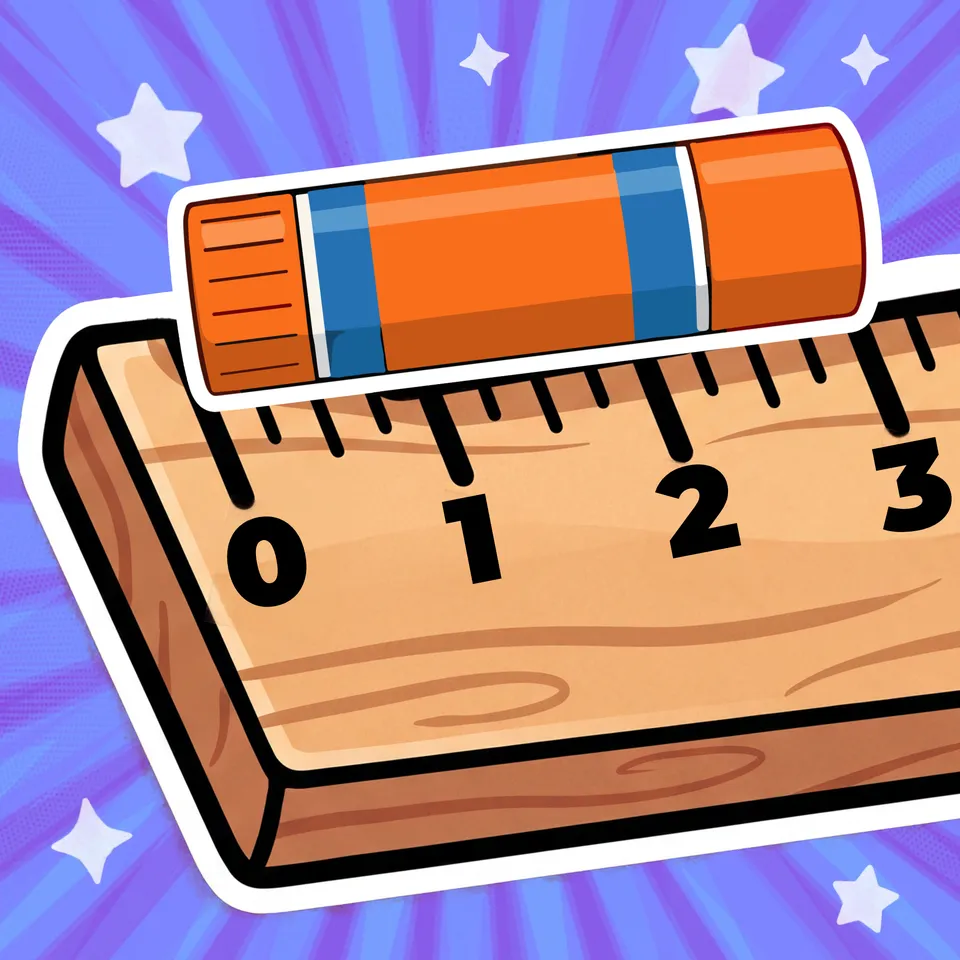
Ages 7–9 · 15 lessons · Math
Get started with measuring, comparing and estimating lengths
In this course, students will build an understanding of measurement starting with visual models for length. Students will develop a sense of what measurement represents before moving into the mechanics of comparing, estimating and converting measurements in both the imperial and metric systems. By the end, students will be able to read, estimate, compare, convert and calculate measurements and explain their thinking along the way.
Lessons
- Measure in Inches (Ages 7–9): Measure everyday objects in whole inches
- Estimate Inches (Ages 7–9): Estimate bakery treat lengths in inches!
- Compare Inches (Ages 7–9): Measure two objects and find how much longer one is
- Measure in Half Inches (Ages 7–9): Measure toolbox tools to the nearest half inch!
- Measure in Feet (Ages 7–9): Measure big things in feet!
- Estimate Feet (Ages 7–9): Estimate the lengths of sea animals in feet
- Measure in Yards (Ages 7–9): Measure with yards!
- Choose a Measuring Tool (Ages 7–9): Ruler, yardstick or tape measure!
- Estimating Feet and Yards (Ages 7–9): Go camping while estimating in feet and yards!
- Inches, Feet or Yards (Ages 7–9): Measure with the best units!
- Customary Unit Word Problems (Ages 7–9): Solve length word problems on a fun measuring trip!
- Measure Meters and Kilometers (Ages 7–9): Explore the zoo while measuring in meters and kilometers
- Choose Centimeters or Inches (Ages 7–8): Measure backyard bugs and pick inches or centimeters
- Metric Word Problems (Ages 7–9): Explore the park while solving metric word problems!
- Measurement Line Plots (Ages 7–9): Measure seashells and build a line plot